

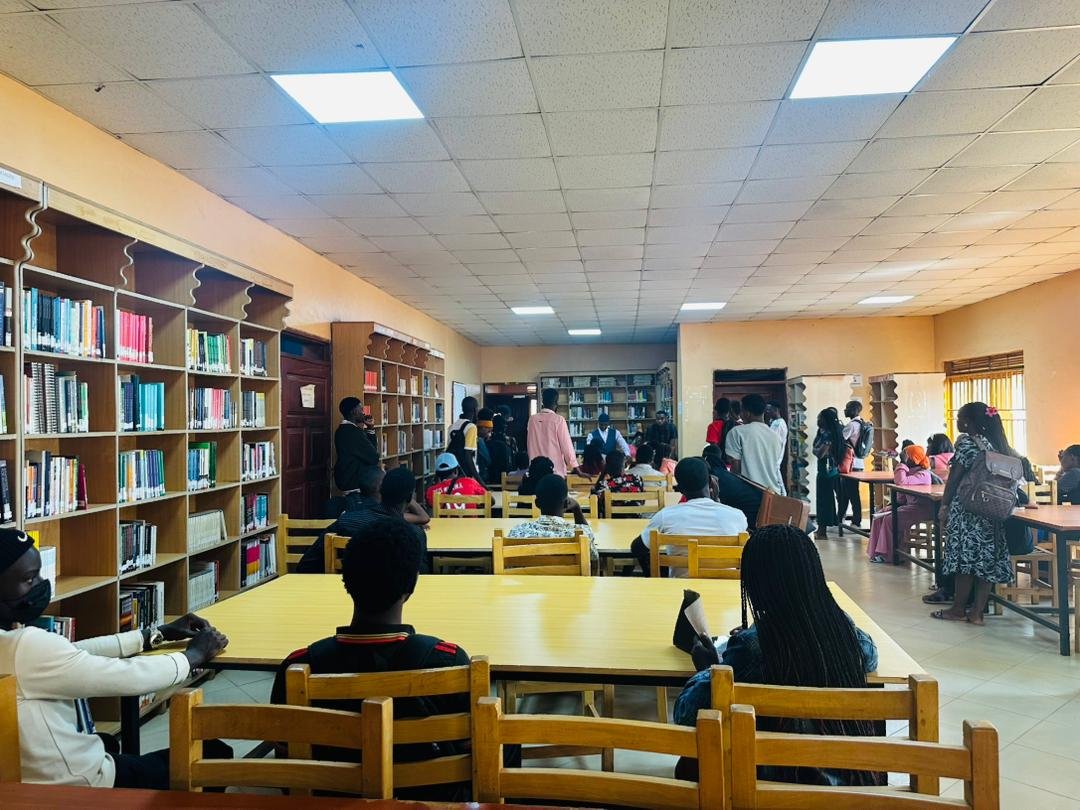

English for Beginners. Starting to learn English can feel overwhelming. There are so many words, grammar rules and new sounds that many beginners don’t know where to begin. Some worry they are too old. Others fear making mistakes, or believe English is simply too difficult for them.
Here is the truth: every fluent English speaker was once a beginner. With the right method, a patient teacher and a little practice every day, anyone can learn English. It doesn’t matter whether you are a student, a working adult, a parent, a trader or a foreigner who has just arrived in Uganda.
This guide is written especially for beginners. It explains where to start, the first words and phrases to learn, the basic grammar you need, how to improve your pronunciation, a simple 30-day plan, how long it takes, how much beginner courses cost in Uganda, and how to choose the right class.
If you’d like a teacher to guide you from your very first lesson, Learn English Uganda runs a practical Basic English Speaking and Grammar course designed for learners starting from zero.
What Does “Beginner English” Mean?
A beginner is someone who knows little or no English, or who knows a few words but cannot yet build sentences or hold a simple conversation.
Language schools often describe progress using an international scale:
- A1 – Beginner: You can understand and use very simple phrases, introduce yourself, and ask and answer basic questions.
- A2 – Elementary: You can talk about familiar topics such as family, shopping, work and your local area in simple sentences.
- B1 – Intermediate: You can handle most everyday situations and talk about your experiences and plans.
- B2 and above: You can speak fluently on a wide range of topics.
As a beginner, your first goal is to reach A1, then A2. Once you get there, you can communicate in everyday situations, and learning becomes faster and much more enjoyable.
Many schools in Uganda follow a similar step-by-step structure. KCI Institute, for example, divides its English programme into beginner, intermediate and advanced levels, as shown on its language courses page. You can also read our own guide to the English language course for beginners in Uganda to see how a beginner programme is organised.
Why Learn English? The Benefits for Beginners
Before you start, remind yourself why English is worth the effort.
It’s Uganda’s official language. Government offices, banks, hospitals, schools and most businesses use English every day.
Better job opportunities. Most formal jobs expect English for interviews, emails, reports and meetings.
Education. Secondary schools, colleges and universities in Uganda teach in English.
Business growth. Traders and entrepreneurs who speak English can reach more customers and partners.
Travel and global opportunities. English is the world’s most widely used international language.
Access to information. Most of the internet, and most books, online courses and news, is in English.
Confidence. Speaking English helps you feel comfortable in meetings, interviews and public places.
Helping your family. Parents with good English can support their children’s schoolwork.
Keep your personal reason in mind. It will keep you going on the days when learning feels hard.
Step 1: Learn the English Alphabet and Its Sounds
English has 26 letters:
A B C D E F G H I J K L M N O P Q R S T U V W X Y Z
Five are vowels (A, E, I, O, U) and the rest are consonants. The letter Y sometimes works as a vowel, as in happy or my.
Beginners need to learn two things:
- Letter names (A = “ay,” B = “bee,” C = “see”) help you spell words aloud, such as your name on the phone.
- Letter sounds help you read and pronounce words. The letter c sounds like “k” in cat but like “s” in city.
Beginner tip: Practise spelling your name, your town and your phone number aloud in English. You will use them all the time.
Step 2: Master Greetings and Introductions
Greetings are the first real English you will use every day. Learn these phrases well.
Greetings
- Hello / Hi
- Good morning (until about noon)
- Good afternoon (noon to about 5 p.m.)
- Good evening (after about 5 p.m.)
- How are you? – I’m fine, thank you. And you?
- Nice to meet you.
- Goodbye / Bye / See you later.
Introducing yourself
- My name is Sarah.
- I am from Uganda. / I am from Congo.
- I live in Kampala.
- I am a teacher. / I am a student. / I am a trader.
- I am 25 years old.
Polite words
- Please
- Thank you / Thanks
- You’re welcome
- Excuse me
- Sorry
In Uganda, greetings matter a lot. People usually greet each other and ask how they are before asking a question or starting business. Using these phrases politely always makes a good first impression.
Step 3: Learn Numbers, Days, Months and Time
These basics are useful every day, especially for shopping, appointments and transport.
Numbers: one, two, three, four, five, six, seven, eight, nine, ten, eleven, twelve… twenty, thirty, forty, fifty, one hundred, one thousand.
Days of the week: Monday, Tuesday, Wednesday, Thursday, Friday, Saturday, Sunday.
Months: January, February, March, April, May, June, July, August, September, October, November, December.
Telling the time:
- What time is it? – It’s eight o’clock.
- It’s half past two. (2:30)
- It’s quarter to five. (4:45)
Useful questions:
- How much is this? – It’s five thousand shillings.
- What day is it today? – It’s Monday.
- When is your birthday? – It’s in March.
Beginner tip: Say prices and times aloud in English whenever you go shopping or look at a clock.
Step 4: Build Your First 300 Everyday Words
You don’t need thousands of words to start communicating. A few hundred common words cover a large share of everyday conversation. Start with these groups:
Family: mother, father, sister, brother, son, daughter, husband, wife, child, friend.
Home: house, room, bed, chair, table, door, window, kitchen, water, food.
Food: rice, beans, bread, meat, fish, chicken, milk, tea, fruit, vegetables.
Body: head, eye, ear, mouth, hand, leg, stomach, back.
Places: school, market, hospital, church, mosque, bank, shop, office, road, town.
Transport: car, bus, taxi, boda boda, stage, left, right, straight.
Common verbs: be, have, go, come, eat, drink, want, like, need, see, speak, work, live, buy, pay.
Common adjectives: big, small, good, bad, hot, cold, new, old, happy, sad, cheap, expensive.
How to remember new words:
- Learn 5 to 10 new words a day, not 50.
- Write each word in a notebook with its meaning and an example sentence.
- Say the word aloud several times.
- Use it in a real sentence the same day.
- Review your notebook every week.
For more practical techniques, read our guide on how to learn English faster as a beginner.
Step 5: Learn Basic English Grammar
Grammar is the set of rules for putting words together. Beginners only need a few key rules to start speaking.
1. The verb “to be” (am, is, are)
This is the most important verb in English.
- I am a student.
- She is my sister.
- They are at home.
2. Personal pronouns
I, you, he, she, it, we, they.
- He is a doctor. They are teachers.
3. The present simple tense (habits and facts)
- I work in Kampala.
- She works in a bank. (Add -s after he, she and it.)
- We eat rice every day.
4. Articles: a, an, the
- Use a before consonant sounds: a book, a car.
- Use an before vowel sounds: an apple, an hour.
- Use the for specific things: the book on the table.
5. Plurals
Add -s to most nouns: one book → two books.
Some are irregular: child → children, man → men, woman → women.
6. Asking questions
- Are you a student? – Yes, I am.
- Do you like tea? – Yes, I do. / No, I don’t.
- Where do you live? – I live in Mukono.
- What is your name? – My name is John.
7. Making negatives
- I am not tired.
- She does not (doesn’t) work on Sunday.
- We do not (don’t) speak French.
8. Basic sentence order
English usually follows Subject + Verb + Object:
- I (subject) + eat (verb) + bananas (object).
Master these eight rules and you can already build hundreds of useful sentences. Our Basic English Speaking and Grammar course takes you through them step by step with a teacher.
Step 6: Practise Pronunciation from Day One
Clear pronunciation helps people understand you, even when your grammar isn’t perfect. Common challenges for beginners in East Africa include:
- “L” and “R” sounds: light vs right, collect vs correct.
- “Th” sounds: think, three, this, that.
- “P” and “B,” “F” and “V,” especially for Arabic speakers.
- Word stress: PHO-to-graph, not pho-TO-graph.
Pronunciation tips:
- Listen carefully to your teacher and repeat.
- Record yourself and compare with a good speaker.
- Practise difficult sounds in front of a mirror.
- Speak slowly and clearly at first; speed comes later.
- Don’t worry about your accent. Being clear matters more than sounding British or American.
Our spoken English classes in Uganda give you regular speaking practice with correction from a teacher.
Step 7: Learn Survival Phrases for Daily Life
These phrases help you handle everyday situations in English.
At the market or shop
- How much is this?
- Can you reduce the price, please?
- I want two kilos of rice.
- Do you have change?
Asking for directions
- Excuse me, where is the hospital?
- Is it far from here?
- Go straight, then turn left.
At the hospital
- I am sick. / I feel unwell.
- My head hurts. / I have a fever.
- I need to see a doctor.
On transport
- Please stop here.
- How much to town?
- I am going to Ntinda.
When you don’t understand
- Sorry, I don’t understand.
- Can you repeat that, please?
- Please speak slowly.
- What does this word mean?
The last group is the most important. Never be afraid to ask someone to repeat or slow down. People respect learners who try.
Step 8: Start Reading and Listening in English
Once you know some basic words, add English input to every day.
Reading ideas for beginners:
- Signs, labels and shop names around you
- Children’s storybooks, which are simple and illustrated
- Short news headlines
- Your phone and social media set to English
- Articles on the Learn English Uganda blog
Listening ideas for beginners:
- English radio and news
- Simple English songs
- Cartoons and children’s programmes, which use slow, clear English
- Films with subtitles
Don’t try to understand every word. Focus on the main idea and pick up a few new words each time.
Step 9: Speak Every Day — Even If You Make Mistakes
Many beginners wait until they feel “ready” to speak. That day never comes unless you start. Speaking is a skill, and you build it by doing it.
Ways to practise speaking:
- Talk to yourself in English while cooking, walking or working.
- Describe what you see: “The bus is blue. The man is selling bananas.”
- Practise with a friend, classmate or family member.
- Greet shopkeepers and colleagues in English.
- Join a class where you speak in every lesson.
Remember: Mistakes are normal and necessary. Every mistake teaches you something. Nobody will laugh at you for trying; most people will want to help.
A Simple 30-Day Plan for English Beginners
Follow this plan for your first month, spending about 30 to 60 minutes a day.
Week 1: Foundations
- Days 1–2: The alphabet, spelling your name and phone number
- Days 3–4: Greetings and introductions
- Days 5–6: Numbers 1–100 and prices
- Day 7: Review, and introduce yourself aloud
Week 2: Everyday Vocabulary
- Days 8–9: Family and home words
- Days 10–11: Food and market words
- Days 12–13: Places and directions
- Day 14: Review, and practise a shopping conversation
Week 3: Basic Grammar
- Days 15–16: The verb “to be”
- Days 17–18: The present simple tense
- Days 19–20: Questions and negatives
- Day 21: Review, and write five sentences about yourself
Week 4: Putting It All Together
- Days 22–23: Days, months and time
- Days 24–25: Survival phrases (hospital, transport, “I don’t understand”)
- Days 26–27: Read a short, simple story and listen to English radio
- Days 28–29: Have a five-minute conversation in English
- Day 30: Celebrate your progress and plan next month
By the end of 30 days, you’ll be able to introduce yourself, talk about your family, buy things, ask for directions and build simple sentences. That’s a real achievement.
Should Beginners Study Alone or Join a Class?
Free apps and videos help, but most beginners progress much faster with a teacher.
| Studying Alone | Joining a Class |
|---|---|
| No one corrects your mistakes | A teacher corrects you immediately |
| Easy to lose motivation | Regular classes keep you on track |
| Little speaking practice | Speaking practice in every lesson |
| No clear structure | Step-by-step levels |
| No certificate | A certificate for each completed level |
The best approach combines both: join a structured beginner class, then practise on your own every day. If you live in the capital, see our guide to English classes for beginners in Kampala.
Online or Physical Classes for Beginners?
Both work well for beginners.
Physical classes suit beginners who like face-to-face support, enjoy learning with others, or find it hard to concentrate at home.
Online classes suit beginners who work, live far from Kampala, have family responsibilities or live outside Uganda. Our guide Can I Study English Language Online? explains how online learning works and how to succeed with it.
KCI Institute also offers online and physical study, and has written about studying English in Africa online.
How Long Does It Take a Beginner to Learn English?
It depends on how often you study, how much you practise and your first language. As a general guide:
- Complete beginner to basic conversation (A1–A2): About 3 months of regular classes
- Basic to confident intermediate: A further 3 months
- Intermediate to advanced: Another 3 months or more
This matches structured programmes such as KCI Institute’s nine-month, three-level course. For a deeper look, read our articles on how long it takes to learn English and how many months it takes to become fluent, along with KCI’s guide on how long it takes to study English in Uganda.
Learners who practise every day outside class usually progress faster.
How Much Does a Beginner English Course Cost in Uganda?
Uganda is one of the most affordable places in Africa to learn English. KCI Institute, for example, charges UGX 500,000 for each three-month level, or UGX 1,500,000 for the full nine-month course. Learners can pay level by level, so a beginner can start with Level 1 alone.
For more on pricing, read our guides on how much an English course costs in Uganda and English language school fees in Uganda. Uganda Language School also explains what affects fees in its article on how much it costs to study English in Uganda.
When comparing beginner courses, ask about:
- Registration or application fees
- Whether books and materials are included
- Certificate and exam fees
- Payment plans
How to Choose the Right Beginner English School
Use this checklist:
- Is there a true beginner class? Avoid schools that mix beginners with advanced learners.
- Is there a placement test? It confirms you’re in the right level.
- Are teachers patient and experienced with beginners? Beginners need clear explanations and encouragement.
- Are classes small? Smaller classes mean more speaking time.
- Is the course organised in levels? Clear levels show your progress.
- Are fees transparent? Good schools publish prices openly.
- Is the schedule flexible? Look for morning, evening, weekend or online options.
- Will you get a certificate? Certificates help with jobs and further study.
- Is the school real and verifiable? Check its address and contact details, and read reviews.
To compare your options, see our list of the best English language schools in Uganda and the best language centres in Kampala. KCI Institute also has a helpful guide to language schools in Uganda, and Uganda Language School explains the spoken, written and business English tracks in its article on language training in Uganda.
Where Can Beginners Learn English in Uganda?
Learn English Uganda. English is our only focus. Our Basic English Speaking and Grammar course is built for learners starting from zero, with patient teachers, plenty of speaking practice and clear progress from level to level. Browse all our courses, check upcoming intakes, or learn more about us.
KCI Institute (Kenlink Institute). KCI Institute has trained learners in Kampala since 2009 and teaches English in three clear levels. You can read about its admission process and apply online. To learn more about the institute, visit its About Us page. It also runs UVTAB-certified vocational courses for learners who want to combine English with a practical skill.
Uganda Language School. Uganda Language School teaches English along with Swahili, French, German and other languages, with online and in-person options.
Common Mistakes English Beginners Make
Trying to learn too much at once. Ten words a day that you remember beat fifty that you forget.
Only studying grammar. Grammar matters, but you must also speak and listen.
Translating everything word by word. Try to think in simple English sentences instead.
Being afraid to speak. Silence is the biggest barrier to progress.
Studying irregularly. Thirty minutes every day beats five hours once a week.
Comparing yourself with others. Everyone learns at their own pace. Compare yourself only with yourself last month.
Giving up too early. The first few weeks are the hardest. It gets easier.
Helpful Tips to Learn English Faster
- Set a clear goal: “In three months, I want to introduce myself and talk about my family.”
- Study at the same time every day so it becomes a habit.
- Label things at home with English words: door, window, cup, table.
- Change your phone’s language to English.
- Learn phrases, not just words: “Can I have…?”, “Where is…?”, “I would like…”
- Keep a vocabulary notebook and review it weekly.
- Listen to English every day, even for ten minutes.
- Find a practice partner.
- Celebrate small wins: your first full sentence, your first English phone call, your first real conversation.
English for Beginners: Special Groups
Adults: Adult beginners benefit from practical, work-related lessons and flexible schedules. See our guides to English training schools for adults in Uganda and English courses in Kampala for adults.
Foreigners and refugees: Newcomers to Uganda need survival English for daily life first. Read our guide to English for foreigners in Uganda.
Learners in Kampala: For a full overview of what’s available in the city, see our guide to English courses in Kampala.
Future students and professionals: Once you finish the beginner level, you can move on to intermediate and advanced English to prepare for work, business or further study.
Frequently Asked Questions
Can a complete beginner learn English?
Yes. Beginner courses are designed for people with no English at all.
Am I too old to start learning English?
No. Adults of every age learn English successfully. Your motivation and life experience help you.
How many hours a day should a beginner study?
Thirty to sixty minutes a day is a good start. Consistency matters more than long sessions.
What should I learn first in English?
Start with the alphabet, greetings, introductions, numbers and everyday vocabulary, then basic grammar such as the verb “to be.”
Can beginners learn English online?
Yes. Live online classes work well for beginners, especially with a patient teacher. Read Can I Study English Language Online? for details.
How long does it take a beginner to speak basic English?
With regular classes and daily practice, most beginners can hold simple conversations within about three months.
How much does a beginner English course cost in Uganda?
At KCI Institute, Level 1 costs UGX 500,000 for three months. See our guide to English language school fees in Uganda for more.
Will I get a certificate?
Most reputable schools award a certificate for each completed level.
How do I enrol in a beginner class?
Choose your course, take a placement test, pay your fees and join your first class. You can apply now at Learn English Uganda.
Final Thoughts: Your English Journey Starts with One Word
Every English speaker you admire started exactly where you are now, with a first word, a first sentence and a first nervous conversation. Learning English as a beginner isn’t about being perfect. It’s about starting, practising a little each day and not giving up.
Start with greetings and simple words, learn basic grammar step by step, speak as often as you can, and join a supportive class that guides you forward. Within a few months, you’ll be surprised by how much you can say.
At Learn English Uganda, we love helping beginners take their first steps. Our patient teachers, practical lessons and flexible classes make learning English easier and more enjoyable. Apply now and start your journey to confident English today.
Related Posts
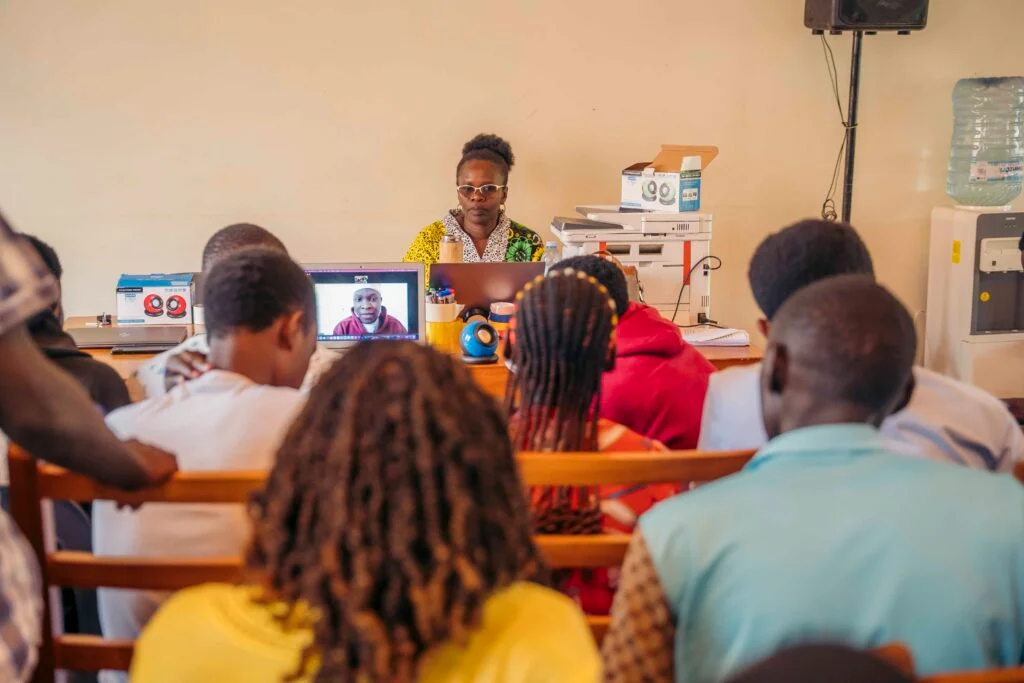
English For Foreigners in Uganda
Posted on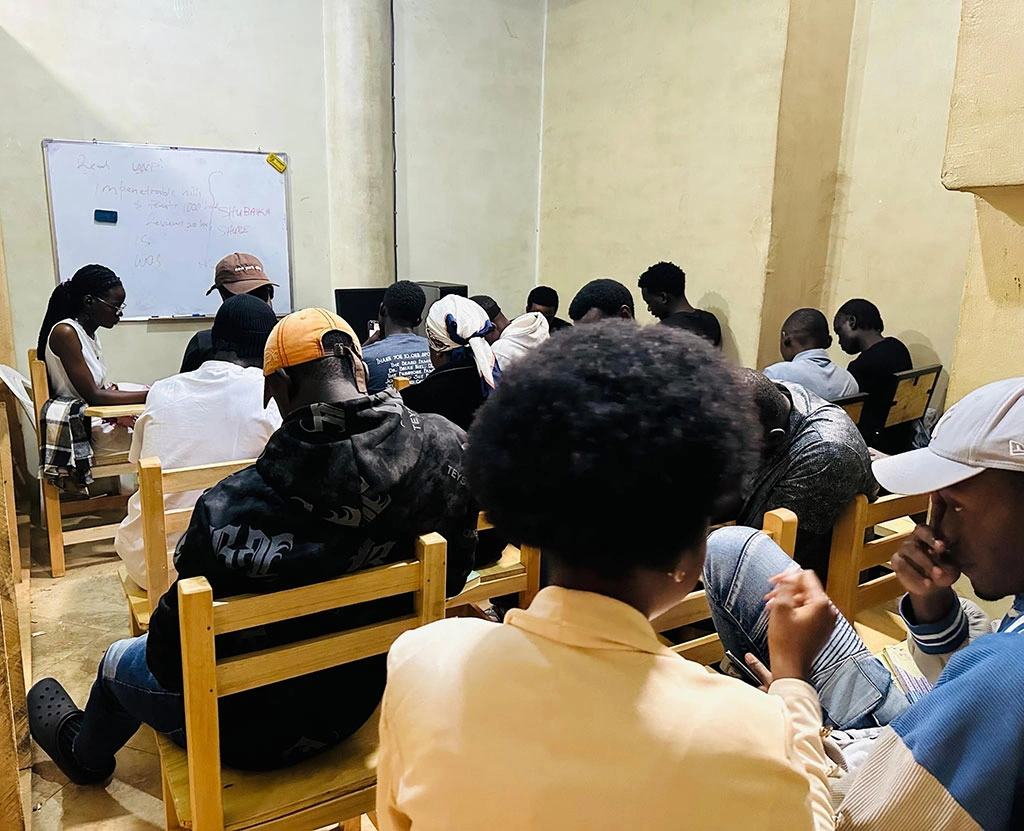
Best English Language Schools in Uganda
Posted on
How to prepare for English IELTS
[…] effective than one long session at the weekend. If you are a complete beginner, start with an English for Beginners programme before moving into IELTS-specific practice, because exam techniques only work when your basic […]
Can i study English Course online in Uganda
[…] than self-paced videos alone, because they need immediate correction and encouragement. Our English for Beginners programme and our English language course for beginners in Uganda are ideal starting […]
Learning how to Speak English in Uganda
[…] you are starting from a very basic level, our English for Beginners programme builds this essential vocabulary step by step, and our English classes for […]
English Speaking Training Course
[…] The focus is on essential words, simple sentences, greetings, numbers and everyday situations. Our English for Beginners programme is the perfect starting […]