

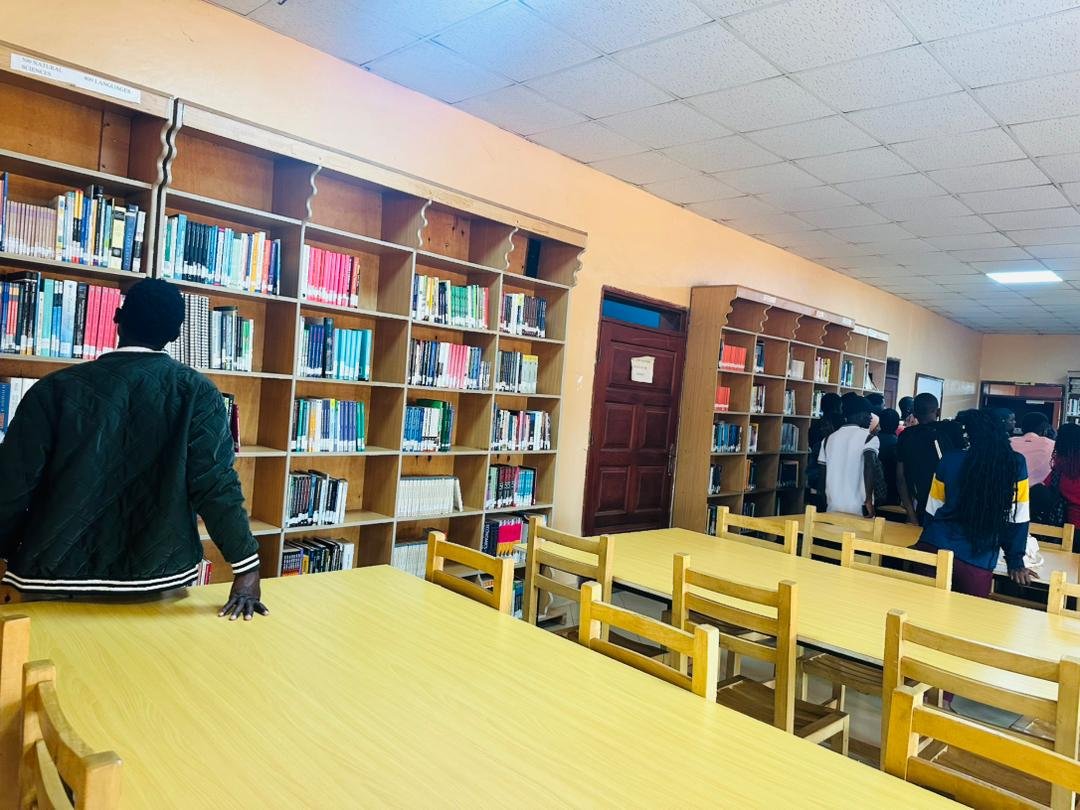

Spoken English Classes in Uganda. There’s a specific kind of frustration a lot of Ugandans and residents describe: they can read an English newspaper, understand a meeting, even write a decent email — but the moment they need to speak up in that same meeting, the words don’t come out. This gap between understanding English and speaking it confidently is exactly what spoken English classes are built to close. Unlike a general English course that spreads attention across reading, writing, grammar and speaking equally, spoken English classes put almost all their focus on one thing: getting you talking, fluently and without hesitation, in real situations. This guide covers what these classes actually involve, who needs them, what they cost in Uganda, and how to choose a programme that genuinely improves how you speak rather than just how much vocabulary you can recite.
At Learn English Uganda, speaking practice is built into every level of our programme rather than treated as an afterthought. If you already know you need to work specifically on speaking, visit our apply now page to get started. Otherwise, here’s the full picture.
Why Speaking English Is a Different Skill From Knowing English
Reading, writing, listening and speaking are related but genuinely separate skills, and speaking is usually the last one to catch up — even for people who studied English for years in school. That’s because speaking requires instant recall under pressure: choosing the right word, forming the sentence, and saying it out loud, all in real time, without the pause you get when reading or writing. Many learners who search for how to study English language in Uganda are actually looking specifically for help with this exact gap between passive knowledge and active speaking.
Who Needs Spoken English Classes in Uganda
Spoken English classes attract a wide mix of people: professionals preparing for job interviews or client-facing roles, university graduates who wrote well in English but rarely spoke it in class, customer service and call centre applicants who need clear phone English, business owners dealing with international clients or suppliers, and adults who simply feel embarrassed speaking English in public despite understanding it perfectly well when reading or listening. What almost all of them have in common is that grammar isn’t really the problem — confidence and practice are.
What Spoken English Classes Actually Cover
A well-run spoken English programme goes well beyond “just talking.” Expect structured pronunciation and intonation practice, role-play exercises for real situations (job interviews, phone calls, meetings, customer interactions), guided group discussions that force active participation rather than passive listening, and direct correction of common speaking mistakes as they happen. Some programmes also include public speaking and presentation practice for learners who need to speak confidently in front of groups, not just one-on-one. You can see how speaking practice is integrated across our levels on our course details page.
Spoken English Classes vs a Full English Language Course
It’s worth understanding the difference before you enrol. A full English language course — like the three-level Beginner, Intermediate and Advanced structure run by most established providers, including Kenlink Institute’s language courses — builds reading, writing, grammar and speaking together over several months. A dedicated spoken English class, by contrast, assumes you already have reasonable vocabulary and grammar and want to sharpen fluency, confidence and pronunciation specifically. If you’re starting from zero, a full course is usually the better starting point; if you already understand English but freeze up speaking it, a spoken-focused class will get you results faster.
How Spoken English Classes Are Structured
Most spoken English programmes in Uganda run in smaller blocks than full language courses — sometimes a few weeks of intensive speaking practice, sometimes an ongoing conversation club format that continues indefinitely. Group sizes tend to stay small deliberately, since the entire point is maximising individual speaking time rather than lecture-style teaching. Some providers fold structured spoken practice directly into their regular levels instead of running it as a separate product, which is worth asking about when comparing options.
How Much Do Spoken English Classes Cost in Uganda?
Pricing for dedicated spoken English programmes varies more than standard course pricing, since formats differ so much between providers. As a general benchmark, a three-month structured English level that includes strong speaking practice typically costs around UGX 500,000 at established schools, a pricing structure also reflected at Kenlink Institute. Shorter, speaking-only intensives are sometimes priced separately and at a lower cost. We’ve broken down full course pricing, including what’s typically included, in how much an English course costs in Uganda.
Building Confidence: Overcoming the Fear of Speaking Out Loud
Fear of making mistakes in front of others is, by far, the biggest barrier to spoken fluency — bigger than actual grammar knowledge for most learners. Good spoken English classes are deliberately structured to lower this fear: small groups instead of large lecture halls, tutors trained to correct gently rather than publicly embarrass, and repeated low-stakes speaking exercises that make mistakes feel normal rather than humiliating. Learners consistently report that the biggest breakthrough isn’t learning new grammar — it’s simply getting comfortable speaking imperfectly in front of other people.
Spoken English for the Workplace and Job Interviews
This is one of the most common reasons adults enrol. Employers across Kampala increasingly expect candidates to communicate clearly and confidently in interviews, client calls and internal meetings, regardless of how strong their written English is. Spoken English classes built around workplace scenarios — mock interviews, professional phone etiquette, presenting ideas in meetings — directly target this need. If you’re preparing to apply for roles requiring strong communication, it’s also worth exploring providers offering broader professional development, such as Kenlink Institute’s business consultation programme, alongside spoken English training.
Spoken English for Customer Service and Call Centre Roles
Uganda’s growing business process outsourcing and customer service sector has created strong demand for a very specific type of spoken English: clear, neutral pronunciation, patience under pressure, and the ability to handle a phone conversation without visual cues like facial expressions or gestures to help communication. Spoken English classes tailored to this audience focus heavily on phone-specific vocabulary, active listening, and staying calm and clear when a caller is frustrated or speaking quickly — skills that general English courses often don’t prioritise. If a career move into this sector is the end goal, it’s also worth checking employer-side listings such as Kenlink Institute’s careers page to see what communication standards local employers actually expect.
Practising Pronunciation and Reducing Accent-Related Miscommunication
Accent isn’t something spoken English classes aim to eliminate — everyone speaks with one — but clarity matters, especially in professional and customer-facing settings. Good pronunciation training focuses on sounds that most commonly cause miscommunication (certain vowel and consonant distinctions that don’t exist in many Ugandan languages), word stress patterns, and speaking pace, rather than trying to make everyone sound identical. This kind of targeted correction is much harder to get from casual conversation practice alone, which is why structured classes with a trained tutor make a real difference here.
Online vs In-Person Spoken English Classes
In-person spoken classes have a natural advantage for pronunciation correction and reading body language during role-play exercises, which is why many learners prefer starting there. Online spoken English classes, however, have become genuinely effective as video call quality has improved, and they suit working professionals who can’t commit to travelling across Kampala for evening classes. Providers such as Uganda Language School’s online English lessons now run interactive speaking sessions online rather than just recorded content, and we offer the same live, interactive format for our own online classes.
How Long Does It Take to Improve Spoken English?
Noticeable improvement in speaking confidence often happens faster than people expect — many learners report feeling more comfortable within four to six weeks of consistent practice, even before their vocabulary or grammar has dramatically changed. Full fluency takes longer and depends heavily on practice outside class, not just attendance. We cover realistic timelines across all English skills, not just speaking, in how long it takes to learn English.
Choosing the Right Spoken English School in Uganda
Look specifically for small class sizes (speaking practice doesn’t scale well in large groups), tutors experienced in conversational teaching rather than only grammar instruction, real role-play and scenario-based practice rather than passive listening exercises, and a transparent refund policy. Our own comparisons of the best language centres in Kampala and the best English teaching schools in Uganda are useful references, alongside independent listings such as Uganda Language School’s roundup of language schools in Kampala city and the wider course catalogue at Kenlink Institute’s courses page. Ask each provider directly how much of their programme is dedicated speaking time versus grammar theory — the answer tells you more than any marketing page will.
Daily Habits That Improve Spoken English Outside Class
Speaking practice compounds fastest when it doesn’t stop at the classroom door. Narrate simple tasks to yourself in English while doing chores, record short voice notes describing your day and listen back for clarity, seek out English conversations with coworkers or classmates instead of defaulting to your first language, and watch interviews or talk shows to notice how fluent speakers structure spontaneous answers. None of this replaces structured classes, but it’s often the difference between steady progress and a plateau.
Setting a small, specific speaking goal each week also helps more than a vague intention to “practise more.” One week might mean ordering food in English at every restaurant visit, another might mean answering every phone call at work in English before switching languages if needed, and another might mean giving one short opinion out loud in every class session, even a single sentence. Specific, repeatable goals build the habit of speaking on demand, which is exactly the skill spoken English classes are training in the first place.
Why Choose Learn English Uganda for Spoken English Training
Speaking practice runs through every level of our programme rather than sitting in a separate add-on class — small groups, tutors trained to correct gently and consistently, and real scenario-based practice from day one. We offer both physical and online formats, transparent pricing, and a clear refund policy. Browse our full curriculum on the courses page, read more about our approach on the about us page, check learner experiences on our blog, or apply now to join the next intake.
Frequently Asked Questions About Spoken English Classes in Uganda
I understand English but freeze up when speaking — is a spoken class right for me?
Yes. This is precisely the gap spoken English classes are designed to close, and it’s one of the most common reasons adults enrol.
Do I need to complete a full English course before joining spoken classes?
Not necessarily. If your grammar and vocabulary are already reasonable, a spoken-focused class can be more efficient than repeating a full course. If you’re starting from zero, our beginner-friendly course is a better starting point.
How much do spoken English classes cost in Uganda?
Pricing varies by format, but a structured three-month level with strong speaking practice typically costs around UGX 500,000 — see our full pricing breakdown.
Can I take spoken English classes online?
Yes, and interactive live formats — like ours and Uganda Language School’s — are far more effective than pre-recorded lessons for building real speaking confidence.
Will a spoken English class help with job interviews specifically?
Yes. Look for a programme that includes mock interviews and workplace scenarios, not just general conversation practice, if that’s your main goal.
Spoken English Classes in Uganda
If you can read and understand English but struggle to speak it confidently, the problem usually isn’t a lack of knowledge — it’s a lack of structured, low-pressure speaking practice. A good spoken English class gives you exactly that, along with pronunciation correction and real workplace scenarios you won’t get from casual conversation alone. Compare a shortlist before committing, whether that includes Uganda Language School’s English language programme or Kenlink Institute’s application process, and choose the one that puts you talking from the very first session. When you’re ready, apply now and start building real speaking confidence at Learn English Uganda.
Related Posts

Can i study English Language Online?
Posted on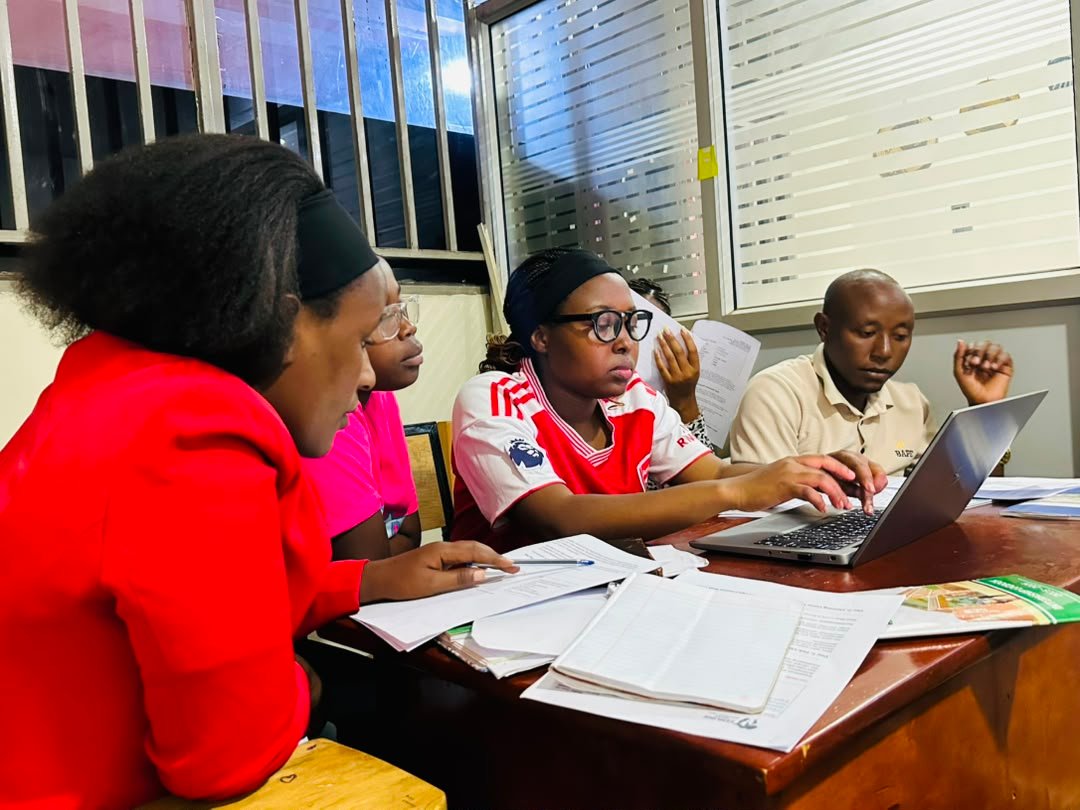
Spoken English Course
[…] Learn English Uganda offers practical speaking classes built around real conversation. Explore our spoken English classes in Uganda or apply […]
English IELTS preparation Exams
[…] and distractors far faster than simply listening more. Daily conversation practice in our spoken English classes in Uganda also improves how quickly you understand different […]
English Speaking Training Course
[…] This communicative approach is proven to build fluency far faster than memorising grammar rules. It is also the approach behind our spoken English classes in Uganda. […]