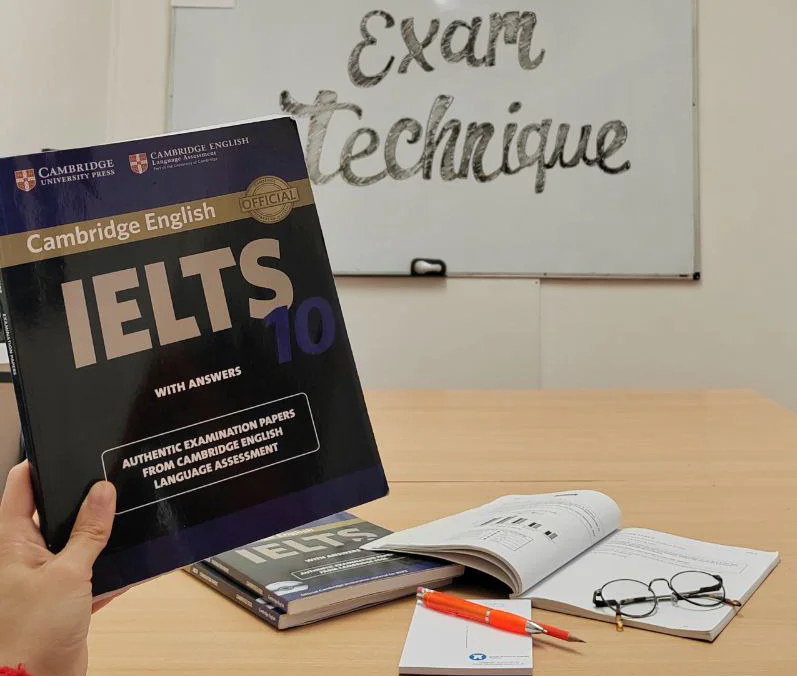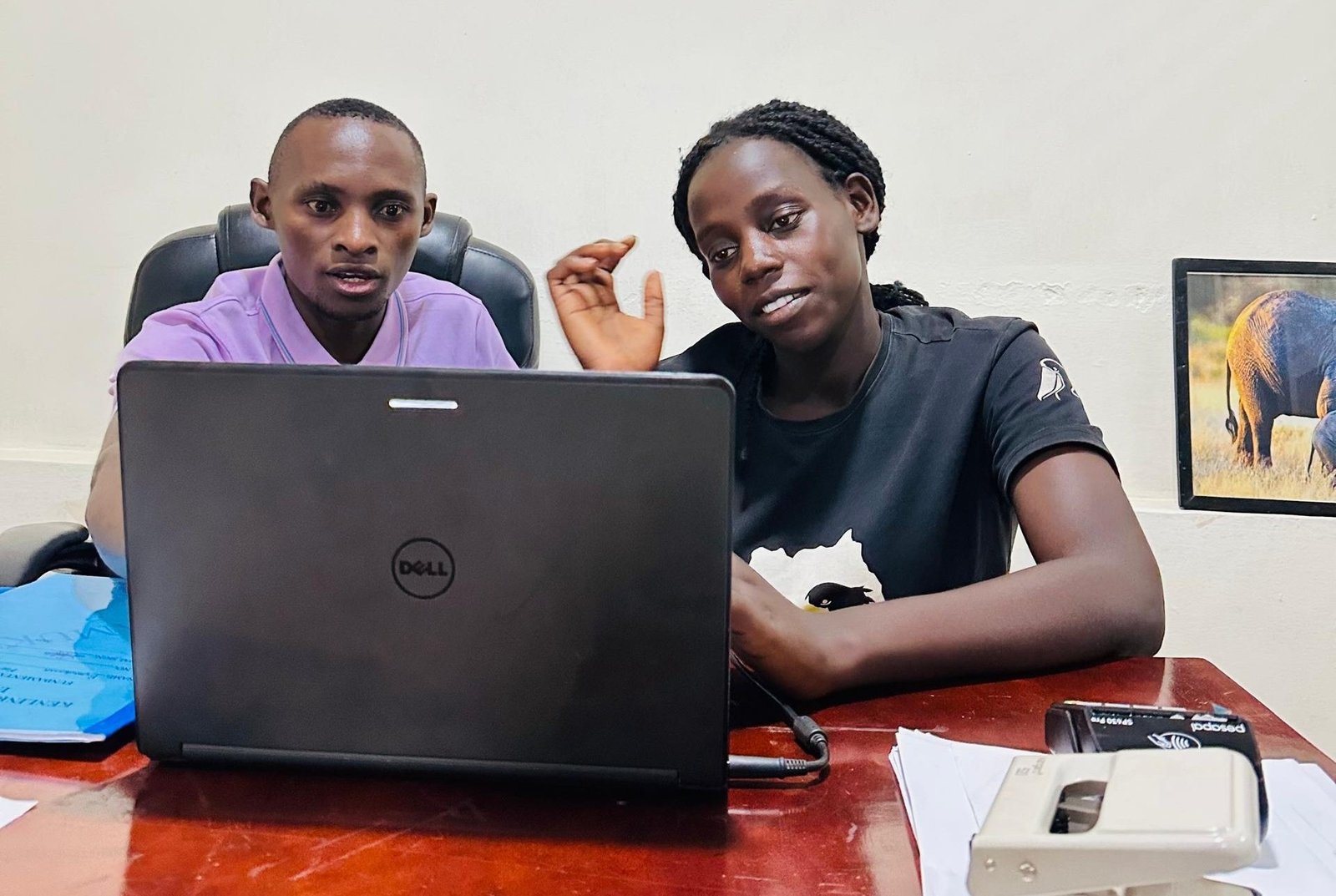



Can i study English Course online in Uganda. It is one of the most common questions we receive from students, parents, business owners, professionals and foreigners living in the country. The short answer is yes. Thanks to smartphones, affordable mobile data and reliable video platforms, you can now take high-quality English lessons from Kampala, Gulu, Mbarara, Jinja, Arua, a refugee settlement, or even from abroad, without travelling to a classroom.
But is online learning right for you? How do online English classes actually work? What equipment and internet do you need, how much does it cost, and will you receive a certificate? In this complete guide, the trainers at Learn English Uganda answer all of these questions so you can decide confidently and start learning English online in Uganda the right way.
Yes, You Can Study an English Course Online in Uganda
Online English learning has grown rapidly in Uganda over the past few years. Many learners first tried virtual classes when schools closed during the COVID-19 period, and they discovered that learning from home can be just as effective as sitting in a classroom, sometimes even more so. Today, reputable English schools in Uganda offer live online lessons, recorded video lessons, one-to-one tutoring and blended programmes that mix online and in-person study.
An online English course in Uganda can cover everything a traditional course offers: grammar, vocabulary, pronunciation, spoken English, listening, reading, writing, business English and exam preparation such as IELTS. The main difference is simply where and how the lessons take place. You can browse our range of English courses and our online course catalogue to see what is available.
Who Can Study English Online in Uganda?
Online English classes suit a wide range of people. They are especially popular with:
- Working professionals who cannot attend daytime classes and want to improve their English for promotion or new job opportunities.
- Business owners and traders who need to stay close to their shops while improving communication with customers and suppliers.
- University and secondary school students who want extra support with academic English, essays and presentations.
- Parents and homemakers who need to learn around family responsibilities.
- People living outside Kampala in towns and rural areas where good English schools may be far away.
- Foreigners and refugees in Uganda, including learners from South Sudan, the DRC, Somalia, Eritrea, Burundi and beyond, who need English for daily life, work or resettlement.
- IELTS candidates preparing to study, work or migrate abroad.
If you are new to the country and need English for everyday life, our English for Foreigners in Uganda programme can be taken online as well as in person.
How Online English Classes Work
Many people imagine online learning as watching videos alone. In reality, a good online English course in Uganda is interactive and personal. Here is what a typical learning experience looks like:
- Placement test: You complete a short online assessment so the school can place you at the right level, from beginner to advanced.
- Live lessons: You join scheduled video lessons with a qualified teacher using platforms such as Zoom or Google Meet. You see and hear your teacher and classmates, ask questions, and take part in speaking activities.
- Learning platform: Between lessons, you access notes, worksheets, videos, audio and quizzes through an online learning portal.
- Homework and feedback: You submit written work and voice recordings, and your teacher returns corrections and advice.
- Progress tests: Regular quizzes and end-of-level tests track your improvement.
- Support by phone or WhatsApp: Many schools offer quick support for questions, schedule changes and technical help.
This combination of live teaching, self-study materials and personal feedback is what makes online English learning effective. For more background on the topic, you can also read our earlier article, Can I study English language online?
Types of Online English Courses Available in Uganda
There are several formats to choose from, depending on your budget, schedule and learning style:
- Live group classes: Small groups of learners at the same level meet online with a teacher at fixed times. This is usually the most affordable option and gives you plenty of speaking partners.
- One-to-one online tutoring: Private lessons with a personal tutor, scheduled at times that suit you. Progress is faster because every lesson focuses entirely on your needs.
- Self-paced courses: Pre-recorded lessons and exercises you complete at your own speed. These are flexible but work best when combined with live speaking practice.
- Blended learning: A mix of online lessons and occasional in-person classes at the school, combining flexibility with face-to-face interaction.
- Specialised online courses: Programmes focused on spoken English, business English, English for beginners or IELTS preparation.
Our Spoken English Course is one of the most popular choices for online learners who want to speak confidently in meetings, interviews and everyday conversations.
Benefits of Studying English Online in Uganda
Online English courses offer real advantages, particularly in a busy city like Kampala:
- No traffic jams. Kampala traffic can easily consume two or more hours a day. Online learning gives that time back to you for study, work or family.
- Save on transport costs. No boda boda or taxi fares to and from class every day.
- Flexible schedules. Early morning, lunchtime, evening and weekend classes fit around work, school and family life.
- Learn from anywhere. Study from home, the office, your shop, or while travelling upcountry.
- Access to experienced teachers. You are not limited to schools in your area; you can learn with qualified trainers wherever you live.
- Recorded lessons. Many online classes are recorded, so you can review difficult lessons or catch up if you miss a session.
- Improved digital skills. You also become more confident using computers, video calls and online tools, which are valuable skills in today’s job market.
Challenges of Online English Learning and How to Overcome Them
Online learning is not without difficulties. The good news is that each common challenge has a practical solution.
- Internet interruptions: Choose a time of day when your network is strongest, keep a backup data bundle, and ask whether lessons are recorded so you can catch up if your connection drops.
- Power cuts: Keep your phone or laptop fully charged before class, and consider a power bank as a backup.
- Distractions at home: Find a quiet corner, let your family know your class times, and use earphones with a microphone.
- Low motivation: Set clear goals, study at the same time each day, and choose live classes with a teacher who checks your progress.
- Less speaking practice: Choose courses with small groups or one-to-one lessons, turn your camera on, and speak in every lesson.
Learners who follow these steps often find that online classes are just as effective as physical ones. If you prefer to combine both, you can also consider in-person English courses in Kampala alongside your online study.
What Do You Need to Study English Online in Uganda?
You do not need expensive equipment to start. Here is a simple checklist:
- A device: A smartphone is enough for most classes, although a laptop or tablet with a bigger screen makes reading and writing easier.
- Internet access: A stable mobile data connection or Wi-Fi. A one-hour video lesson typically uses a few hundred megabytes, so plan your data bundles accordingly. Turning off your video when it is not needed can reduce data use.
- Earphones with a microphone: These make it easier to hear clearly and reduce background noise.
- The right apps: Usually Zoom or Google Meet for live lessons, plus WhatsApp and email for communication. Your school will explain exactly which apps to install.
- A notebook and pen: Writing by hand helps you remember new vocabulary and grammar.
- A quiet space: Somewhere you can speak freely without interruptions.
Both major mobile networks in Uganda offer data bundles suitable for video calls, and many learners buy weekly or monthly bundles specifically for their classes.
How Much Does an Online English Course Cost in Uganda?
Online English course fees in Uganda depend on the type of course, the number of lessons per week, the course length and whether classes are in groups or one-to-one. In general, group online classes are the most affordable, self-paced courses can be cheaper still, and private tutoring costs more but delivers faster progress.
Remember to include the cost of internet data when planning your budget. However, many learners find that online study still works out cheaper overall, because they save on daily transport and time. Before you enrol, always ask what is included in the fee, such as learning materials, recorded lessons, tests and certificates. For a clear picture of typical costs, read our guides on how much an English course costs in Uganda and English language school fees in Uganda. You can also compare with KCI Institute’s published language course fee structure.
Will I Get a Certificate After an Online English Course?
Most reputable schools in Uganda award a certificate of completion when you finish a level or course, whether you studied online or in person. This certificate shows the level you reached and can be useful for job applications, school admissions and personal records.
If you need an internationally recognised English qualification for university admission, visas or professional registration abroad, you will usually need to sit an official exam such as IELTS at an approved test centre. Online courses are an excellent way to prepare for these exams, even though the official test itself must be taken under supervised conditions. KCI Institute also offers an accredited course programme for learners seeking recognised vocational qualifications alongside their English studies.
Online vs Physical English Classes: Which Is Better?
Both options can produce excellent results. The best choice depends on your lifestyle and learning preferences.
Choose online classes if: you have a busy schedule, live far from a good school, want to avoid traffic, are comfortable using a phone or computer, and can study independently between lessons.
Choose physical classes if: you learn best with face-to-face interaction, find it hard to concentrate at home, have unreliable internet, or are a complete beginner who would benefit from a teacher sitting beside you.
Many learners choose a blended approach, taking most lessons online and attending occasional in-person sessions for extra speaking practice. To compare in-person options, see our guides to the English training centers in Kampala and the best English language schools in Uganda. KCI Institute’s overview of English learning centers in Uganda is another useful comparison.
Online English for Beginners: Can You Start From Zero?
Yes, complete beginners can learn English online, but the course must be designed for beginners. A good beginner online course uses simple instructions, lots of pictures and audio, slow and clear speaking, and plenty of repetition. It starts with greetings, numbers, everyday vocabulary and basic sentences, and builds step by step.
Beginners benefit most from live classes with a patient teacher, rather than self-paced videos alone, because they need immediate correction and encouragement. Our English for Beginners programme and our English language course for beginners in Uganda are ideal starting points, whether you choose to learn online or in class.
Online English for Working Adults and Professionals
For working adults, online English classes are often the most practical option. Evening and weekend sessions allow you to learn without taking time off work. Business English courses focus on emails, reports, presentations, meetings, negotiations and telephone skills, which you can apply immediately in your job.
Adults also bring valuable experience to the virtual classroom, sharing real workplace situations that make lessons more relevant. Explore our English courses in Kampala for adults and our list of trusted English training schools for adults in Uganda to find a programme that fits your career goals. KCI Institute’s guide to English learning schools for adults in Uganda also offers helpful advice.
Preparing for IELTS Online in Uganda
Online IELTS preparation is very popular among Ugandans planning to study or work abroad. A good online IELTS course includes lessons on all four skills, timed practice tests, marked Writing tasks and one-to-one Speaking practice with a trainer who plays the role of the examiner.
The main advantage of preparing online is flexibility: you can fit intensive practice around work or university. Just remember to also practise under real exam conditions, and choose the paper-based or computer-based version of the real test that matches the way you prepared. If your general English needs strengthening first, begin with a general course and move on to IELTS once your foundation is solid.
What a Typical Week Looks Like in an Online English Course
Many learners wonder how online study fits into a normal week. Here is an example of a realistic routine for a working adult taking a live group course with three evening lessons per week:
- Monday evening (1 hour): Live lesson on grammar and vocabulary, for example talking about past experiences using the past simple and present perfect.
- Tuesday (20–30 minutes): Review lesson notes, learn ten new words and complete a short online quiz on the learning portal.
- Wednesday evening (1 hour): Live speaking and listening lesson with pair work in breakout rooms, discussing real-life topics such as work, travel and health.
- Thursday (20–30 minutes): Write a short paragraph or email and submit it to the teacher for correction.
- Friday evening (1 hour): Live lesson on reading and writing skills, with feedback on the week’s homework.
- Weekend (30–60 minutes): Watch an English film or programme, read an article, record a two-minute voice note about your week and send it to your teacher.
This schedule adds up to around five to six hours of English per week, which is enough to make steady, visible progress without overwhelming your work or family life. Learners who want faster results can add one-to-one sessions or increase their independent practice time.
The key lesson is balance. Live classes give you instruction, correction and speaking time, while short daily self-study sessions help you remember what you learned. Together, they create the consistent habit that leads to real fluency, whether you study from Kampala, Mbale, Fort Portal or anywhere else in Uganda.
Tips to Succeed in Your Online English Course
- Treat online lessons like real classes. Be on time, dress as you would for class, and stay focused.
- Turn on your camera and microphone. Active participation leads to faster progress than silent listening.
- Practise every day between lessons. Review notes, learn new words and complete homework on time.
- Use English outside class. Speak English with friends, watch English programmes and change your phone language to English.
- Record yourself speaking. Listen back to improve your pronunciation and fluency.
- Ask questions. Online teachers want to help; use the chat, WhatsApp or email whenever something is unclear.
- Track your progress. Keep a simple journal of new words, mistakes and achievements.
For more techniques, read our popular guide on how to learn English faster as a beginner.
How Long Does It Take to Learn English Online?
Learning online does not slow you down. Your progress depends on your starting level, the number of lessons per week and how much you practise independently. As a general guide, many learners move up one level every three months with regular study. Complete beginners who study consistently can usually handle simple everyday conversations within a few months. To estimate your own timeline, see our articles on how long it takes to learn English and how many months it takes to become fluent in English.
How to Choose the Best Online English Course in Uganda
Before you pay for an online English course, check the following:
- Qualified teachers with experience teaching English online.
- Live interaction, not only recorded videos.
- Small class sizes or one-to-one options.
- A placement test to match you with the right level.
- Clear timetables that fit your schedule.
- Learning materials and recordings you can access anytime.
- Transparent fees and a clear refund policy.
- A certificate on completion.
- A physical address in Uganda, so you know the school is genuine and you can visit if needed.
That last point is especially important. Choose an established school with a real office and a track record, rather than an unknown online seller. You can also read KCI Institute’s view on whether you can study English online for another perspective.
Frequently Asked Questions About Studying English Online in Uganda
Can I study an English course online in Uganda from my phone?
Yes. Most online English classes work well on a smartphone with a stable internet connection. A laptop or tablet is helpful but not essential.
Are online English classes as good as physical classes?
Yes, when they include live lessons with a qualified teacher, regular speaking practice and personal feedback. Your commitment to daily practice matters more than the format.
Can I study English online from outside Kampala?
Absolutely. Online learning allows you to join classes from any town or village in Uganda, and even from other countries.
Do online English courses give certificates?
Reputable schools award a certificate of completion for each level. For international recognition, you may also need to take an official exam such as IELTS.
When can I start an online English course?
Many schools run regular intakes throughout the year. Check our upcoming intakes to find the next available start date.
Start Your Online English Course in Uganda Today
So, can you study an English course online in Uganda? Absolutely. With a smartphone or laptop, a reliable internet connection and the right school, you can improve your English from anywhere in the country, on a schedule that fits your life. Online learning saves time and transport costs, gives you access to experienced teachers, and can take you from beginner level all the way to IELTS success.
Learn more about our team on the About Us page, find more learning tips on our blog, or apply now to join our next online class.
You can also explore more study options with our partners at KCI Institute, which runs its own online programmes. Learn about the institute, check the admission process, apply for online programmes, or access the KCI student portal.
Related Posts
Can i study English Language
Posted on