



English Language Course for Beginners in Uganda. An English language course is different from a casual “English class” in one important way: a course follows a fixed curriculum, has a defined start and end point, and is designed to take you from a specific starting level to a specific, measurable outcome. For beginners anywhere in Uganda — not just in Kampala — that structure matters, because it’s what turns scattered vocabulary into real, usable fluency. This guide covers what a proper beginner-level English language course in Uganda should include, how it’s priced, how it’s delivered to learners across the country, and how to judge whether a provider is running a genuine course or just a loosely organised class.
Our own Beginner-level course at Learn English Uganda was designed with exactly this national reach in mind, available both in Kampala and online. If you’re ready to enrol, visit our apply now page. Otherwise, here’s what to know first.
Who the Beginner English Course Is Designed For
Uganda’s beginner-level English course serves a wider audience than most people expect. It includes rural learners moving to urban centres for work or study, refugees and settlement residents building foundational English for daily life and employment, secondary school leavers who never developed confidence in English despite years of schooling, and professionals across every region of the country who need English for a new job, a promotion, or further education. Wherever you’re starting from, a properly designed beginner course assumes no prior English knowledge at all — you can read more about who qualifies to join in our post on who can study English language in Uganda.
What a Beginner English Course Actually Teaches
A genuine beginner-level course follows a syllabus, not a random selection of topics. It typically opens with the alphabet, phonics and pronunciation basics, moves into numbers, greetings and everyday vocabulary, introduces simple sentence structure and present-tense grammar, and builds toward short conversations and basic written sentences by the end of the course. Listening comprehension is trained throughout using slow, simple audio, since understanding spoken English is usually the skill beginners need most urgently for daily life. Our full curriculum for this level is outlined on our course details page.
Course Structure: Levels, Duration and Progression
Most credible providers in Uganda, including Kenlink Institute’s language courses, structure English instruction into three sequential levels — Beginner, Intermediate and Advanced — each lasting roughly three months, for a full course length of about nine months. The beginner level is the entry point for this entire structure, so how well it’s taught directly affects how smoothly the rest of the course goes. Rushing through it, or skipping it because a learner “knows a little English,” is one of the most common reasons students struggle later at Intermediate.
Beginner Course Fees in Uganda
Course pricing has become fairly standardised across established providers. Expect a one-time admission fee of roughly UGX 50,000 for East African citizens, or about USD 40 for foreign nationals, plus tuition of around UGX 500,000 for the three-month Beginner level. Institutions such as Kenlink Institute price their beginner-level course in this same range, with a full three-level course totalling close to UGX 1,500,000 when paid in advance. We’ve broken this down level by level, including what’s included in tuition, in how much an English course costs in Uganda.
Studying the Course Online from Anywhere in Uganda
One real advantage of a proper course over an informal class is that it can be delivered consistently online, which matters enormously for beginners outside Kampala who don’t have a language school nearby. A well-run online beginner course still follows the same syllabus, includes live interaction with a tutor, and tracks progress the same way an in-person class would — it’s simply delivered over video rather than in a physical room. Providers such as Uganda Language School’s online English lessons have built out this option specifically for learners who can’t relocate or commute for classes.
Studying in Kampala vs Studying from Upcountry
Learners based in Kampala have the advantage of choosing in-person classes, which many beginners find easier for pronunciation correction and staying accountable to a fixed schedule. Learners from upcountry regions — Gulu, Mbarara, Mbale, Jinja and beyond — increasingly rely on online delivery to access the same course without relocating. Neither path is objectively better; what matters is choosing the format that you’ll actually attend consistently for the full three months, since consistency, more than location, is what determines how much a beginner actually learns.
What You Receive After Completing the Beginner Course
A proper course should end with something concrete: a certificate of completion, a clear assessment of your level, and a defined path into Intermediate. This is what separates a structured course from informal tutoring — you finish knowing exactly what you’ve achieved and what comes next, rather than simply having “attended some classes.” Ask any provider directly what you receive at the end before enrolling, and compare it against what’s offered on our own course details page.
How to Choose the Right Course Provider in Uganda
With course providers ranging from single-room tutoring setups to established institutions, it’s worth comparing a shortlist before committing your admission fee. Check for a clearly published syllabus, tutors with real teaching experience rather than just fluent English, transparent pricing with a written refund policy, and evidence of past student outcomes. Our comparisons of the best language centres in Kampala and the best English teaching schools in Uganda are useful starting points, and it’s worth checking independent listings such as Uganda Language School’s roundup of the best English schools in Uganda as well.
Course Admission Requirements
Enrolling in a beginner English course in Uganda is deliberately simple across most providers: a valid national ID or passport, one recent passport-size photograph, and payment of the admission fee. Some providers, including Kenlink Institute’s admission process, also run a short conversation or written check before your first class to confirm you’re starting at the right point. You can complete our own admission process through the apply now page.
Course Formats: Full-Time, Part-Time and Evening Classes
Because beginner students range from secondary school leavers with free daytime hours to full-time workers who can only attend after 5pm, most providers offer more than one schedule format. Full-time daytime courses tend to move fastest, part-time weekday courses spread the same syllabus over a longer window, and evening or weekend courses are built specifically around working adults’ schedules. When comparing providers, always confirm which format their advertised three-month timeline actually assumes, since a “three-month course” taught twice a week takes longer in real time than one taught daily.
Ask specifically how many contact hours each format provides per week, not just how many days. Two schools can both advertise a “three-month beginner course” while one delivers six hours of instruction weekly and the other delivers two — the first will produce noticeably faster progress even though both fit the same three-month label. This single question is one of the most useful ways to compare providers on substance rather than marketing.
What Class Sizes Look Like in a National Beginner Course
Class size affects beginners more than any other level, because pronunciation and basic sentence-building need frequent individual correction. A course delivered to large groups of thirty or more students, whether in Kampala or online, generally limits how much personal feedback any one learner receives. Smaller cohorts — typically under fifteen students — allow tutors to correct mistakes as they happen rather than in occasional, generic feedback sessions. When comparing providers, ask directly about typical class size for the beginner level specifically, since some institutions run smaller advanced classes while keeping beginner intake large to maximise enrolment numbers.
How the Beginner Course Prepares You for Intermediate
Everything taught at Beginner level exists to make Intermediate manageable rather than overwhelming — the grammar foundations, core vocabulary and listening skills built here are assumed knowledge once you move up. Students who rush or skip parts of the beginner course typically struggle at Intermediate not because the material is too hard, but because gaps from earlier weren’t properly closed. We go into more depth on realistic progression timelines across all three levels in how long it takes to learn English.
Comparing Course Providers Across Uganda
It’s worth looking beyond a single institution before enrolling. Uganda Language School’s course catalogue runs a comparable beginner-to-advanced structure across English, French, German and Swahili — their Swahili language course follows the same level system, for anyone weighing a second regional language alongside English — while Kenlink Institute’s background shows a long-running institution offering both language and vocational courses side by side. Comparing curriculum, tutor experience and pricing across a few providers takes an afternoon and can save months of frustration if your first choice turns out to be poorly structured.
Tips for Success in a Beginner English Course
Attend consistently — beginner material builds sequentially, so missed classes compound quickly. Review vocabulary daily rather than only before class. Speak out loud as often as possible, even outside the classroom, since beginners who wait until they feel “ready” to speak generally progress slower than those who make mistakes early and often. And don’t skip the assessment at the end of the course — it exists to confirm you’re genuinely ready for Intermediate, not just that the calendar says three months have passed.
It also helps to treat the course as a fixed commitment rather than something to attend “when free.” Learners who block out their class times the same way they would a work shift, and who tell family or roommates in advance so they aren’t interrupted, consistently finish the course with stronger results than those who treat attendance as flexible. Three months is a short window in the context of learning a language for life — protecting that window tends to pay off far beyond the course itself.
Why Choose Learn English Uganda’s Beginner Course
Our Beginner-level course was built to serve learners across Uganda, not only those living in Kampala — with both physical classes and a fully supported online format, a clear syllabus, small class sizes, and a transparent refund policy. You can review the complete curriculum on our courses page, learn more about our team on the about us page, read learner experiences on our blog, or go ahead and apply now to join the next intake.
Frequently Asked Questions About the Beginner English Course in Uganda
Do I need to live in Kampala to take this course?
No. The course is available online to learners anywhere in Uganda, as well as in person in Kampala.
How much does the beginner course cost?
Typically around UGX 500,000 for the three-month level plus a one-time admission fee — see our full pricing breakdown.
Do I get a certificate after finishing the beginner course?
Yes, reputable providers issue a certificate of completion and a level assessment before you progress to Intermediate.
Can I study the course part-time while working?
Yes. Most providers, including evening and weekend formats, accommodate working learners — confirm the exact schedule when you enrol via our apply now page.
What happens if I choose the wrong course provider?
Check the refund policy before enrolling. Ours is published on our refund policy page, and any credible provider should have similar written terms.
English Language Course for Beginners in Uganda
A genuine beginner-level English language course in Uganda should give you a clear syllabus, a defined timeline, transparent pricing and a measurable outcome at the end — regardless of whether you’re studying from Kampala, Gulu, Mbarara, or logging in from anywhere else in the country. Compare a shortlist of providers, including options like Uganda Language School’s application process or Kenlink Institute’s wider institution, before committing your admission fee. When you’re ready to start, apply now and begin the Beginner-level course at Learn English Uganda.
Related Posts
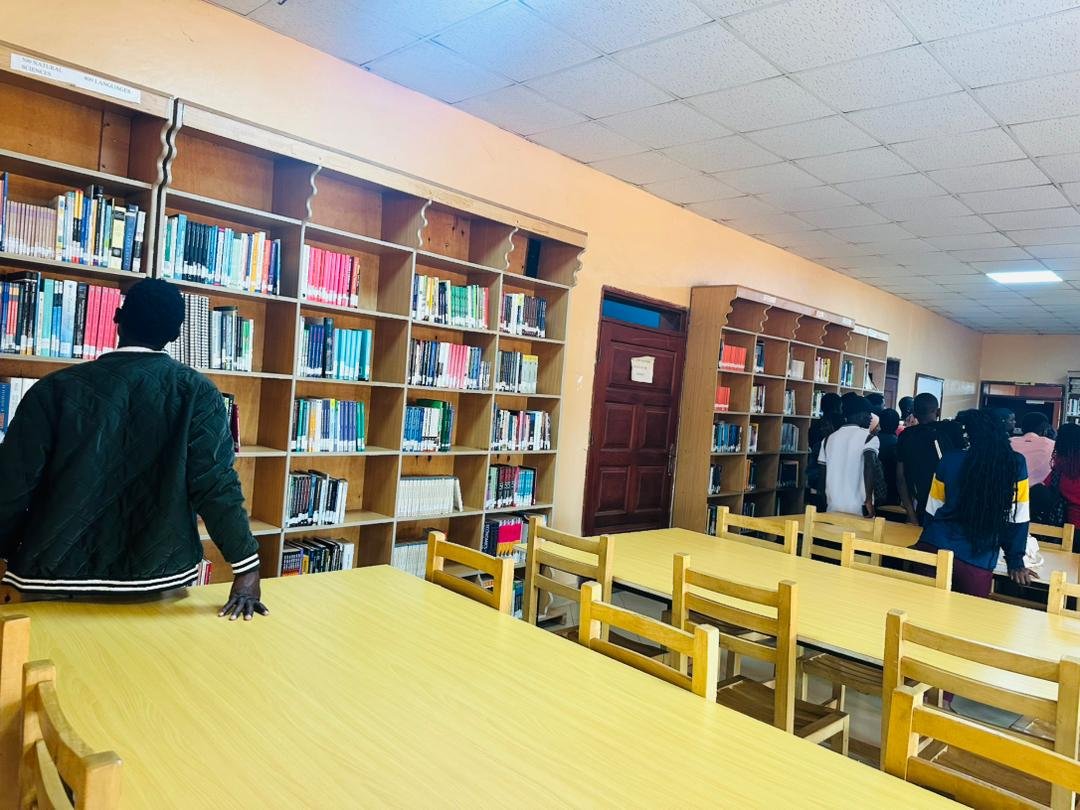
Spoken English Classes in Uganda
Posted on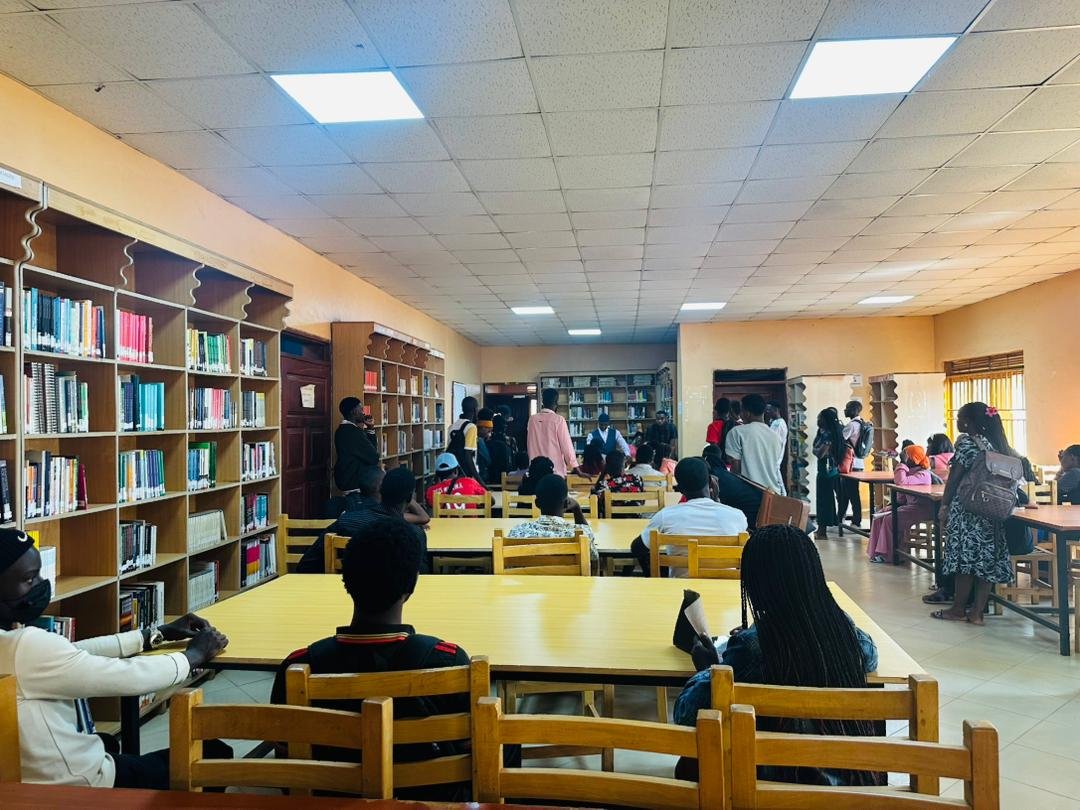
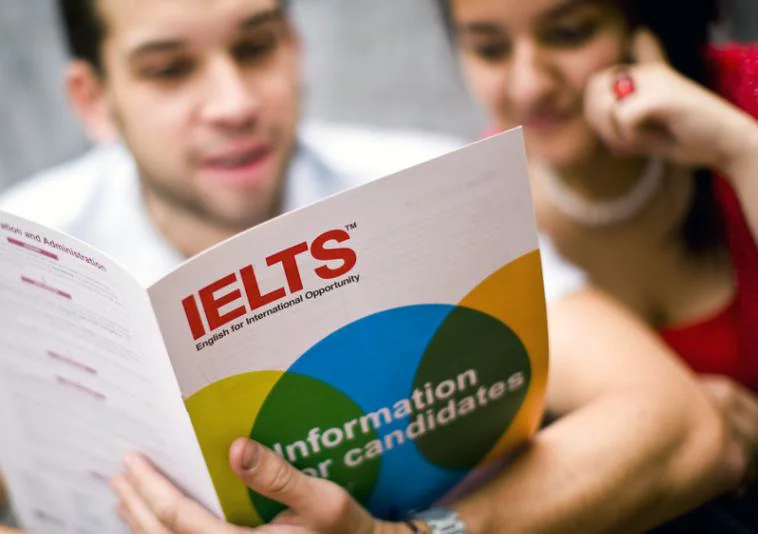
English for Beginners
[…] and advanced levels, as shown on its language courses page. You can also read our own guide to the English language course for beginners in Uganda to see how a beginner programme is […]
Can i study English Course online in Uganda
[…] immediate correction and encouragement. Our English for Beginners programme and our English language course for beginners in Uganda are ideal starting points, whether you choose to learn online or in […]