



Can i study English Language Online? is one of the most common questions we hear from students, parents, professionals and international learners. The short answer is yes. You can study English online and become confident, fluent and even exam-ready without sitting in a physical classroom.
The longer answer matters more, because studying online successfully depends on choosing the right course, the right school and the right habits. Some learners thrive online and reach fluency faster than they would in a classroom. Others struggle because they picked a poor programme or never built a study routine.
This guide explains how online English learning works, who it suits, what it costs in Uganda, what equipment you need, how to choose a trustworthy school and how to get the best results. By the end, you’ll know whether online study is right for you and exactly how to start.
If you’re already convinced, you can go straight to our online English classes and join the next intake.
Yes, You Can Study English Online — Here’s Why It Works
A few years ago, many people doubted that a language could be learned properly through a screen. Today that doubt is gone. Live video classes, digital learning platforms, recorded lessons and online assessments have made it possible to learn English effectively from almost anywhere with an internet connection.
Online English learning works because language is learned through listening, speaking, reading and writing, and all four skills can be practised online:
- Listening: You hear your teacher and classmates in live sessions and can replay recorded lessons as often as you like.
- Speaking: Live classes give you real conversation time with your teacher and fellow learners.
- Reading: Digital texts, articles and course materials are available at any time.
- Writing: You submit written tasks online and receive feedback and corrections.
The key is choosing a course with live interaction, not just videos to watch alone. Speaking with a real teacher who corrects your pronunciation and grammar is what turns knowledge into fluency.
Who Can Study English Online?
Almost anyone with a smartphone, tablet or computer and an internet connection can study English online. It’s particularly helpful for:
Working professionals who can’t attend daytime classes. Evening and weekend online sessions fit around a full-time job.
Students in secondary school or university who want to improve their grades, writing or presentation skills.
Job seekers who need stronger English for interviews and workplace communication.
People living outside Kampala. Learners in Gulu, Mbarara, Mbale, Arua, Jinja, Fort Portal and other towns can join Kampala-based classes without travelling or relocating.
International learners from South Sudan, the DRC, Rwanda, Burundi, Somalia, Ethiopia and other countries who want affordable Ugandan teaching from home. Our English for foreigners programme is designed for learners like these.
Parents and busy adults who have family responsibilities and need to study from home.
Students preparing for exams such as IELTS and TOEFL who want structured practice. See our IELTS preparation course.
Children who need extra support with reading, writing and speaking. Explore our English for kids classes.
How Does Online English Learning Work?
Most quality online English programmes follow a similar structure. Knowing how it works will help you feel confident before you enrol.
1. Registration and placement. You apply online and take a placement assessment. This shows your current level so you join the right class instead of one that’s too easy or too hard.
2. Joining your class. You receive a class schedule and a link to join live lessons. Some schools also give you access to a student portal. KCI Institute, for example, gives learners access to its online student portal for course information and learning resources.
3. Live lessons. Your teacher leads interactive sessions by video. You listen, speak, answer questions, practise dialogues and take part in group activities.
4. Self-study materials. Between classes, you review notes, complete exercises, read texts and listen to recordings.
5. Assignments and feedback. You submit written work and speaking tasks. Your teacher corrects mistakes and explains how to improve.
6. Assessments. Regular tests measure your progress. When you pass one level, you move on to the next.
7. Certification. When you complete a level or the full course, you receive a certificate as proof of your achievement.
Types of Online English Courses You Can Take
Online English isn’t one single course. There are several types, each designed for different goals.
General English: Builds all four skills together, along with grammar, vocabulary and pronunciation. This is the best starting point for most learners. Explore our English courses.
English for Beginners: For learners with little or no English. You learn greetings, everyday vocabulary, simple sentences and basic conversation. Start with our beginner English programme.
Spoken English: For learners who understand English but struggle to speak confidently. Most of the class time is spent talking. Join our spoken English course.
English Grammar: For learners who want accuracy in writing and speaking. Perfect for students and office workers. See our English grammar course.
Business English: Covers emails, reports, meetings, presentations, negotiations and interviews. Visit our business English page.
Exam Preparation: Focused training for IELTS, TOEFL and other English tests, with mock exams and exam strategies. Try our TOEFL preparation course.
Written English: Focuses on academic and professional writing, including essays, letters and reports.
Other institutions in Uganda offer similar tracks. Uganda Language School, for example, describes spoken English, written English and business English options in its guide to language training in Uganda.
Benefits of Studying English Online
Online study has real advantages that make it the best choice for many learners.
Study from anywhere. Home, office, hostel or even on the move: if you have an internet connection, you can attend class.
Save time and transport costs. No more hours in Kampala traffic or boda boda fares. That time and money go back into your learning.
Flexible schedules. Morning, evening and weekend classes let you learn around work, school and family.
Learn at your own pace. Recorded lessons and online materials let you review difficult topics as many times as you need.
Access quality teachers from far away. You don’t need to live near a good school. You can learn from experienced teachers wherever you are.
Build digital skills too. Online learning improves your comfort with video calls, emails and digital documents, all valuable skills in today’s job market.
Comfortable learning environment. Many shy learners find it easier to speak up from home, which helps them build confidence faster.
Affordable. Online courses often cost the same as or less than physical classes, and you save on transport, meals and accommodation.
Challenges of Online English Learning (and How to Overcome Them)
Being honest about the challenges helps you prepare for them. Here are the most common ones, with practical solutions.
Challenge 1: Unstable internet.
Solution: Buy a reliable data bundle, sit near a window or in a spot with good signal, and choose a school that records lessons so you can catch up if you get disconnected.
Challenge 2: Lack of motivation.
Solution: Set clear goals, attend live classes instead of relying only on self-study, and study at the same time every day.
Challenge 3: Distractions at home.
Solution: Choose a quiet corner, turn off unnecessary notifications, and tell family members your class times.
Challenge 4: Less speaking practice.
Solution: Choose a course with small live classes and plenty of speaking activities. Our spoken English course is built around this.
Challenge 5: Feeling alone.
Solution: Join class discussion groups, practise with classmates between lessons, and ask your teacher questions freely.
Challenge 6: Choosing an unreliable provider.
Solution: Pick an established school with clear course levels, published fees and a physical address you can verify.
What Do You Need to Study English Online?
You don’t need expensive equipment. Here is a simple checklist:
- A device: A smartphone works, but a laptop or tablet with a bigger screen is more comfortable for long sessions and writing tasks.
- Internet connection: Mobile data or Wi-Fi strong enough for video calls.
- Headphones with a microphone: They make it easier to hear clearly and reduce background noise.
- A quiet space: Somewhere you can speak freely without interruptions.
- A notebook and pen: Writing new words and rules by hand helps you remember them.
- A study schedule: Fixed times for classes and revision.
- A positive attitude: Be ready to speak, make mistakes and learn from them.
How Much Does It Cost to Study English Online in Uganda?
Cost is one of the biggest questions for learners. The good news is that Uganda offers some of the most affordable quality English training in Africa.
As an example, KCI Institute publishes its language course fee structure openly: English is taught in three levels of three months each, at UGX 500,000 per level, or UGX 1,500,000 for the full nine-month course. Learners can pay level by level.
For a fuller discussion of what affects English course fees in Uganda, and why Uganda is more affordable than many other countries, Uganda Language School has a helpful guide on how much it costs to study English in Uganda.
When comparing online course fees, ask about:
- Registration or application fees
- Whether learning materials are included
- Exam and certificate fees
- Payment plans (per level or full course)
- Whether recorded lessons are included
For Learn English Uganda’s current prices and payment options, visit our fees page.
Online vs Physical English Classes: Which Is Better?
Both options can work very well. The best choice depends on your situation.
| Factor | Online Classes | Physical Classes |
|---|---|---|
| Location | Study anywhere | Must travel to school |
| Schedule | Very flexible | Fixed class times |
| Transport cost | None | Daily cost |
| Face-to-face interaction | Via video | In person |
| Self-discipline needed | Higher | Moderate |
| Recorded lessons | Often available | Usually not |
| Best for | Busy, remote or international learners | Learners who need structure and in-person support |
Choose online if you work, live far from Kampala, live outside Uganda, or need flexible hours.
Choose physical classes if you find it hard to concentrate at home, or you prefer the energy of a live classroom.
Consider a blend: Some learners start in person to build confidence and then switch to online, or the other way round. KCI Institute, for example, offers both online and physical study, and you can read about the institution on its About Us page.
How to Choose the Best Online English School
Not every online course is worth your money. Use these points to judge any school before enrolling.
1. Live classes, not only videos. Real teachers and real conversation are essential.
2. Clear levels. You should know which level you’re in and what comes next, like the beginner, intermediate and advanced structure used by KCI Institute.
3. Qualified, experienced teachers. Ask about teachers’ training and experience.
4. Small class sizes. Fewer students means more speaking time and more personal feedback.
5. Published, transparent fees. Good schools tell you prices upfront.
6. A real, verifiable school. Check that the school has a physical location and contact details. KCI Institute, for example, is based at Dolphin Plaza on Gayaza Road, Mulago Kubiri, Kampala.
7. Placement test. A good school assesses your level before placing you.
8. Certificates. Make sure you’ll receive a certificate for each level or the full course.
9. Learner support. Can you contact your teacher between classes? Is there a student portal or a support team?
10. Positive learner reviews. Former students’ experiences tell you a lot. Uganda Language School, for example, shares learner testimonials describing how its online classes kept them connected and supported.
Top Places to Study English Online in Uganda
Here are trusted Ugandan institutions offering online English learning.
Learn English Uganda. We focus only on English. Our live online classes cover beginner English, spoken English, grammar, business English, IELTS and TOEFL preparation. Learn more about our school or explore our full list of English courses.
KCI Institute (Kenlink Institute). Established in 2009, KCI Institute runs online courses so learners can study from home or work. Its structured English programme has three levels. You can check the admission requirements and then apply online. The institute also offers UVTAB-certified vocational courses for learners who want job skills alongside English.
Uganda Language School. Uganda Language School teaches English along with Swahili, French, German and other languages, with online study available to learners in Uganda and abroad.
A Weekly Study Plan for Online English Learners
Structure is the secret to online success. Here is a simple weekly plan you can adapt:
Monday: Attend your live class. Afterwards, spend 20 minutes reviewing your notes and writing down new vocabulary.
Tuesday: Complete your assignment. Read a short English article and underline new words.
Wednesday: Attend your live class. Practise the day’s dialogue out loud three times.
Thursday: Spend 30 minutes on grammar exercises. Record yourself speaking for two minutes on a simple topic.
Friday: Attend your live class. Write a short paragraph about your week.
Saturday: Watch an English programme or listen to English news. Practise speaking with a classmate or friend.
Sunday: Review everything from the week, revise your vocabulary notebook and plan next week’s goals.
Even one hour a day, done consistently, will produce strong results within a few months.
Tips to Succeed When Studying English Online
Treat online class like real class. Be on time, sit at a table, and keep your camera on when possible.
Speak as much as you can. Every chance to speak builds fluency. Don’t wait until you feel “perfect.”
Keep a vocabulary notebook. Write each new word, its meaning and an example sentence.
Use English outside class. Change your phone language to English, read English news, and write your shopping lists in English.
Ask questions. Your teacher is there to help. There are no silly questions.
Review recordings. If your school records lessons, rewatch difficult parts.
Read our learning tips regularly. Our English learning blog shares practical advice on grammar, vocabulary, pronunciation and confidence.
Celebrate progress. Completing a level is a real achievement. Reward yourself and keep going.
Can I Get a Certificate for Studying English Online?
Yes. Reputable online English schools award certificates just as physical schools do. Typically, you receive a certificate after passing each level’s assessment or after completing the full course.
A certificate is useful for:
- Job applications and CVs
- Proof of English ability for employers
- Further study applications
- Personal motivation and achievement
Before enrolling, confirm what certificate you’ll receive, what it states and when you’ll get it.
Can I Prepare for IELTS or TOEFL Online?
Absolutely. Online exam preparation is very effective because much of the practice (reading, listening and writing) is naturally done on paper or screen. Speaking practice happens in live sessions with your teacher.
A good online IELTS or TOEFL course should include:
- Explanation of the exam format and scoring
- Practice for all four sections
- Timed mock tests
- Feedback on writing and speaking
- Strategies for managing time and difficult questions
Start with our IELTS preparation classes or TOEFL preparation course.
How Long Does It Take to Learn English Online?
The time depends on your starting level, how often you study and how much you practise. As a general guide:
- Beginner to basic conversation: About three months of regular study
- Basic to intermediate: A further three months or so
- Intermediate to advanced: Another three months or more
This matches structured programmes like KCI Institute’s three-level English course, which runs for about nine months from beginner to advanced. Learners who practise daily outside class often progress faster.
Common Myths About Studying English Online
Myth 1: “You can’t learn to speak online.”
False. Live online classes provide real speaking practice with teachers and classmates.
Myth 2: “Online certificates are worthless.”
False. Certificates from established, verifiable schools carry real value.
Myth 3: “Online learning is only for young people.”
False. Adults of all ages learn successfully online. If you can make a video call, you can join an online class.
Myth 4: “You need an expensive laptop.”
False. Many learners study successfully using a smartphone.
Myth 5: “Online classes are always more expensive.”
False. Online study often costs less once you include the transport and time you save.
Frequently Asked Questions
Can I study English language online in Uganda?
Yes. Several Ugandan schools, including Learn English Uganda, KCI Institute and Uganda Language School, offer online English classes.
Can I study English online from outside Uganda?
Yes. Online classes are open to learners in other countries, as long as you have an internet connection and can attend at the scheduled times.
Do I need to be good at English before starting online?
No. Beginner courses are designed for learners with little or no English.
Can I study English online using my phone?
Yes. A smartphone is enough for most online classes, although a laptop is more comfortable for writing tasks.
How much internet data do online classes use?
Video classes use a fair amount of data. Buying a weekly or monthly bundle is usually the most economical option.
Will I get a certificate after my online English course?
Most reputable schools provide certificates. Confirm the details with your school before enrolling.
How do I enrol in an online English course?
Choose your course, complete the application, take a placement assessment, pay your fees and join your first class. At Learn English Uganda, you can apply online or contact us for guidance.
Final Answer: Yes, You Can Study English Online — and Succeed
So, can you study English language online? Yes, you can. With a good school, live teachers, a clear course structure and a steady study routine, online learning can take you from your first English words to confident, fluent communication, all from your home, office or anywhere in the world.
The most important step is the first one. Choose a trusted school, pick a course that matches your goals, and commit to learning a little every day.
At Learn English Uganda, we’re ready to help you start. Join our online English classes, learn at your own pace, and discover how quickly your English can grow. Apply today and take your first step towards English fluency.
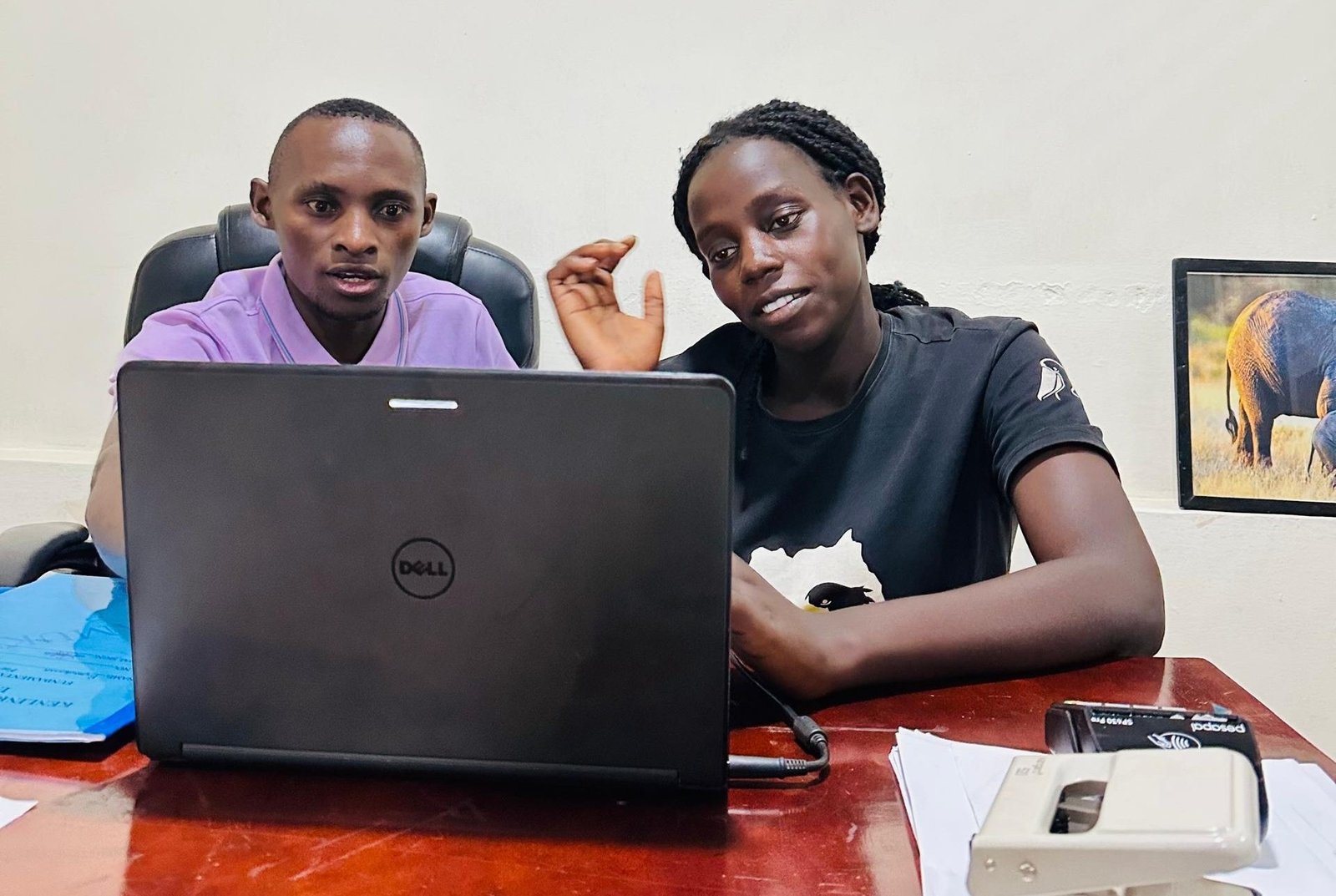

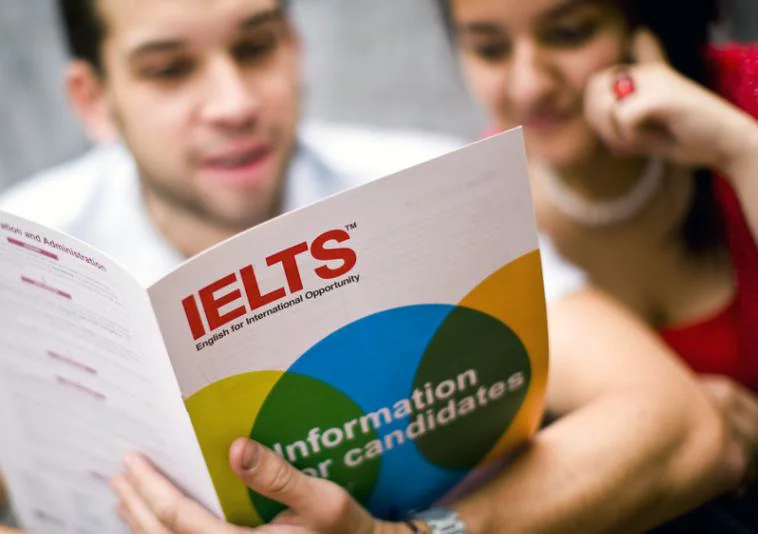
Can i study English Course online in Uganda
[…] This combination of live teaching, self-study materials and personal feedback is what makes online English learning effective. For more background on the topic, you can also read our earlier article, Can I study English language online? […]