

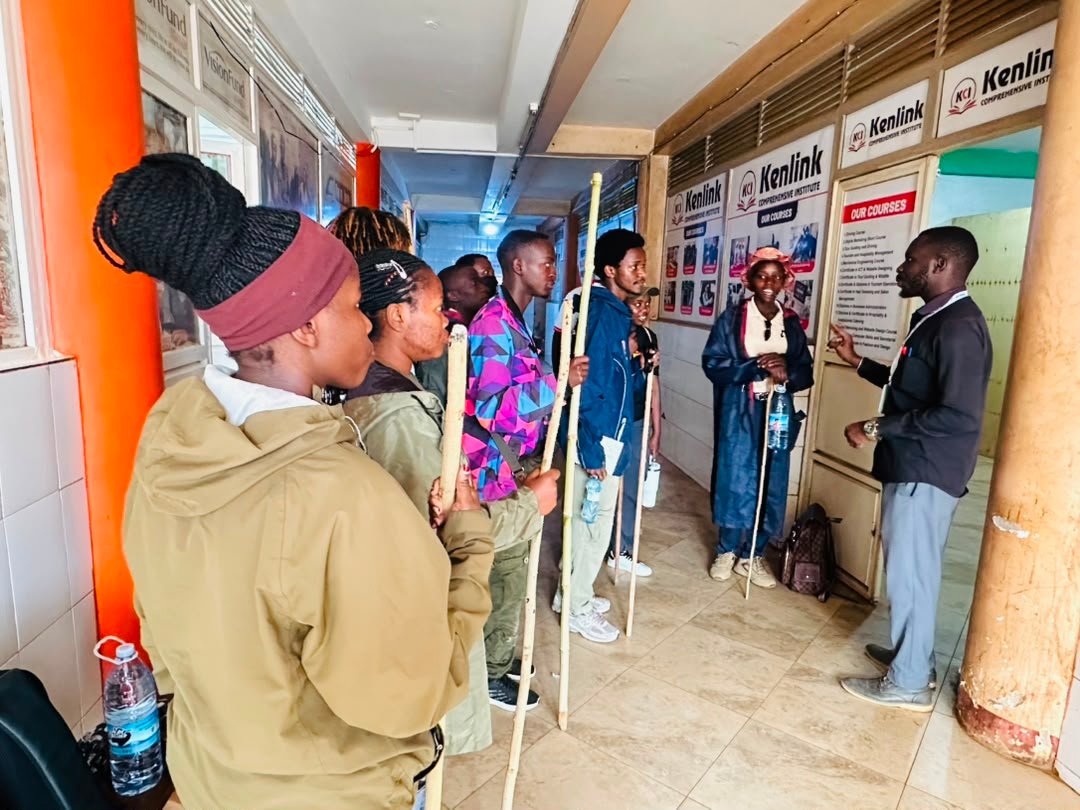

English Classes for Beginners in Kampala. If you’ve never studied English before, or you learned a little in primary school and forgot most of it, the hardest part usually isn’t the grammar — it’s knowing where to start. Kampala has dozens of institutions advertising “English classes,” and for a true beginner that noise can be paralysing rather than helpful. This guide is written specifically for absolute beginners: people starting from zero, or close to it, who want a clear, honest starting point rather than a sales pitch. By the end, you’ll know exactly what a beginner English class in Kampala should cover, what it costs, how long it takes, and how to pick a school that won’t waste your first three months.
At Learn English Uganda, our Beginner level was built for exactly this starting point. If you’re ready to jump in, head to our apply now page. If you want to understand the landscape first, keep reading.
You Don’t Need Any English to Start
This is the single biggest misconception that stops people from enrolling. A genuine beginner class assumes zero prior knowledge — no vocabulary, no grammar, nothing. Tutors are trained to teach from the alphabet and basic greetings upward, using visual aids, repetition and simple local-language explanations where needed. If a school tells you that you need “some English” just to join their beginner class, that’s a sign their beginner level isn’t actually built for true beginners. You can read more about who qualifies to enrol in our piece on who can study English language in Uganda.
Why So Many Adults in Kampala Are Starting from Scratch
It’s more common than people assume. Many adults left school before English instruction was reinforced, grew up in rural areas where local languages dominated daily life, or are refugees and migrants who arrived in Uganda with no exposure to English at all. Others are foreign nationals — Congolese, Somali, Chinese or South Sudanese residents — building a new life in Kampala and needing English for markets, banks and job applications. Whatever the reason you’re starting now, a properly run beginner class treats zero prior knowledge as completely normal, not something to be embarrassed about.
What a Beginner English Class Actually Covers
A well-structured Beginner level, typically running around three months, focuses on the building blocks: the alphabet and phonics, numbers, greetings and everyday phrases, basic sentence structure (subject-verb-object), present tense first, and enough listening practice to follow slow, simple conversation. Writing starts small — single words, then short sentences — before growing into simple paragraphs by the end of the level. Speaking practice runs alongside every topic, since the goal isn’t just to recognise English on a page but to use it out loud, in real situations, from the very first weeks. You can see the full breakdown of what’s covered at each stage on our course details page.
Class sizes matter more at this stage than at any other level. A beginner who mispronounces a sound or misuses a tense needs that corrected quickly, before the mistake becomes a habit — something a tutor simply cannot do consistently in a room of forty students. This is one of the clearest signs of a well-run beginner programme: if a school can’t tell you its typical class size when you ask, that’s worth treating as a warning sign rather than a minor detail.
How Beginner Classes Differ from Intermediate and Advanced
It helps to know what comes after, so you understand where Beginner is taking you. Intermediate builds on the same foundation with more complex tenses, broader vocabulary and real conversational fluency, while Advanced pushes toward professional and academic-level communication — public speaking, negotiation, structured writing. Most schools in Kampala, including Kenlink Institute’s language courses, run this same three-level structure, so once you understand Beginner you understand the whole path ahead.
How Much Do Beginner English Classes Cost in Kampala?
Pricing for beginners is no different from other levels — you’re paying for three months of structured tuition either way. Expect a one-time admission fee (around UGX 50,000 for East African citizens, or roughly USD 40 for foreign nationals) plus tuition of about UGX 500,000 for the three-month Beginner level. Institutions like Kenlink Institute price their beginner-level language instruction similarly. We’ve broken down the complete cost structure, including what’s covered, in how much an English course costs in Uganda.
How Long Before a Beginner Can Hold a Basic Conversation?
Most true beginners start forming simple sentences and following slow conversation within four to six weeks of consistent attendance, though genuine comfort takes the full three-month level. Progress varies with how much practice happens outside class — a beginner who reviews vocabulary daily and listens to simple English audio will noticeably outpace one who only shows up to lessons. We cover realistic timelines for every level, not just Beginner, in how long it takes to learn English.
What to Look for in a Good Beginner-Friendly School
Not every school handles absolute beginners well — some rush through basics to get to “more interesting” material, which leaves gaps that cause problems later. Look for small class sizes so a tutor can correct individual pronunciation, a genuinely beginner-paced curriculum rather than a diluted intermediate one, patient tutors experienced specifically with zero-level learners, and a transparent refund policy in case the format isn’t right for you. Comparing options helps — see our roundups of the best language centres in Kampala and the best English teaching schools in Uganda, alongside independent lists like Uganda Language School’s best language schools in Kampala city.
Online or In-Person: Which Suits a True Beginner Better?
For absolute beginners, in-person classes generally work better in the first few weeks — pronunciation, in particular, is easier to correct face-to-face than over a video call. That said, online beginner classes are a legitimate option for people with tight schedules or living outside Kampala, especially once basic listening skills are established. Schools such as Uganda Language School’s online English lessons have built out this option specifically. We offer both formats for our Beginner level, so the decision comes down to your own routine rather than availability.
Overcoming the Fear of Starting as an Adult Beginner
A lot of adults delay enrolling because they’re embarrassed to be a “beginner” at their age, surrounded by younger classmates or worried about making mistakes out loud. In practice, a good beginner classroom is one of the least judgmental spaces you’ll find — everyone in the room is at the same starting point, and tutors are specifically trained to normalise mistakes as part of learning rather than something to be corrected harshly. The students who progress fastest are usually the ones who speak up early and often, mistakes included, rather than staying quiet until they feel “ready.”
Simple Ways to Practise Between Beginner Classes
Classroom time alone won’t get you fluent, especially at the beginner stage where repetition matters most. Keep a small notebook of new words you hear around Kampala — on signage, in shops, on the radio — and review them daily. Watch children’s English shows or simple news broadcasts with subtitles. Practise greetings and small talk with classmates or coworkers rather than switching back to your first language the moment it gets slightly difficult. These small, consistent habits compound faster than most beginners expect.
It also helps to build practice into places you already go. Reading price tags and product labels in supermarkets, listening to English-language radio during a boda-boda or taxi ride, or simply greeting a shopkeeper in English instead of your usual language turns ordinary errands into free practice. None of this replaces structured lessons, but it fills the gap between classes with real, low-pressure exposure — which is exactly what beginner vocabulary needs to stick.
Common Myths That Stop Beginners from Starting
A few myths keep otherwise motivated adults from ever enrolling. One is that you need to be young to learn a new language well — in practice, adult beginners often progress faster than children in structured classes because they can consciously apply grammar rules rather than only absorbing language passively. Another is that a few months of self-study with an app should come before joining a real class — this usually just delays proper correction of habits that are harder to fix once they’ve set in. A third myth is that beginner classes are only for people who never went to school; in reality, plenty of secondary school graduates join Beginner level simply because their earlier English instruction was inconsistent or long forgotten.
What Documents You Need to Join a Beginner Class
Enrolling as a beginner requires the same simple paperwork as any other level: a valid national ID or passport, one recent passport-size photograph, and payment of the one-time admission fee. Many schools also run a short spoken check-in on enrolment day — not a test to pass or fail, just a way to confirm you’re starting at the right point. You can complete this directly through our apply now page, and learn more about who runs the programme on our about us page.
What Happens After You Finish the Beginner Level
Completing Beginner isn’t the finish line — it’s the foundation for Intermediate, where fluency and written English develop much faster once basic grammar and vocabulary are already in place. Many schools, including Kenlink Institute, structure enrolment so you can move straight into the next level without reapplying from scratch. Some beginners also use their new English foundation as a stepping stone into vocational training taught in English, such as Kenlink Institute’s UVTAB-certified courses.
Beginner Classes in Other Languages, If English Isn’t Your Only Goal
Some learners join an English beginner class specifically to prepare for studying a second language afterward, since the study habits transfer directly. If that’s part of your plan, it’s worth knowing that Uganda Language School’s course catalogue also runs beginner-level French, German and Swahili classes, and their French language programme follows a similarly paced three-level structure.
Why Start Your Beginner English Journey at Learn English Uganda
Our Beginner level was built around the reality that most first-time learners are nervous about starting, not incapable of learning. Small classes, tutors experienced specifically with zero-level students, both physical and online formats, and a transparent refund policy mean you can start without unnecessary risk. Browse the full curriculum on our courses page, read more learner stories on our blog, or take the first step and apply now to join our next beginner intake.
Frequently Asked Questions About Beginner English Classes in Kampala
I know zero English — can I still join a beginner class?
Yes. Beginner classes are built specifically for learners starting from nothing, including no prior vocabulary or grammar knowledge.
How much does a beginner English class cost in Kampala?
Typically around UGX 500,000 for the three-month Beginner level plus a one-time admission fee — see our full pricing breakdown.
How long is the Beginner level?
Around three months of structured classes, after which most students move directly into Intermediate.
Should a beginner choose online or in-person classes?
In-person is often easier at first for pronunciation and confidence, though online beginner classes, like those offered by Uganda Language School, work well for learners with tight schedules.
What if I’m too embarrassed to speak in class as a beginner?
This is common and completely normal — good beginner classrooms are built around mistakes being part of learning, and speaking up early is what actually speeds up progress.
English Classes for Beginners in Kampala
Starting English classes as a beginner in Kampala doesn’t require any prior knowledge, a specific age, or perfect confidence — it just requires picking a school that genuinely teaches from zero and showing up consistently. Compare a shortlist before committing, whether that’s Uganda Language School, Kenlink Institute’s admission process, or our own course details, and pick the format and pace that fits your actual life. When you’re ready to take the first step, apply now and start your Beginner level at Learn English Uganda.
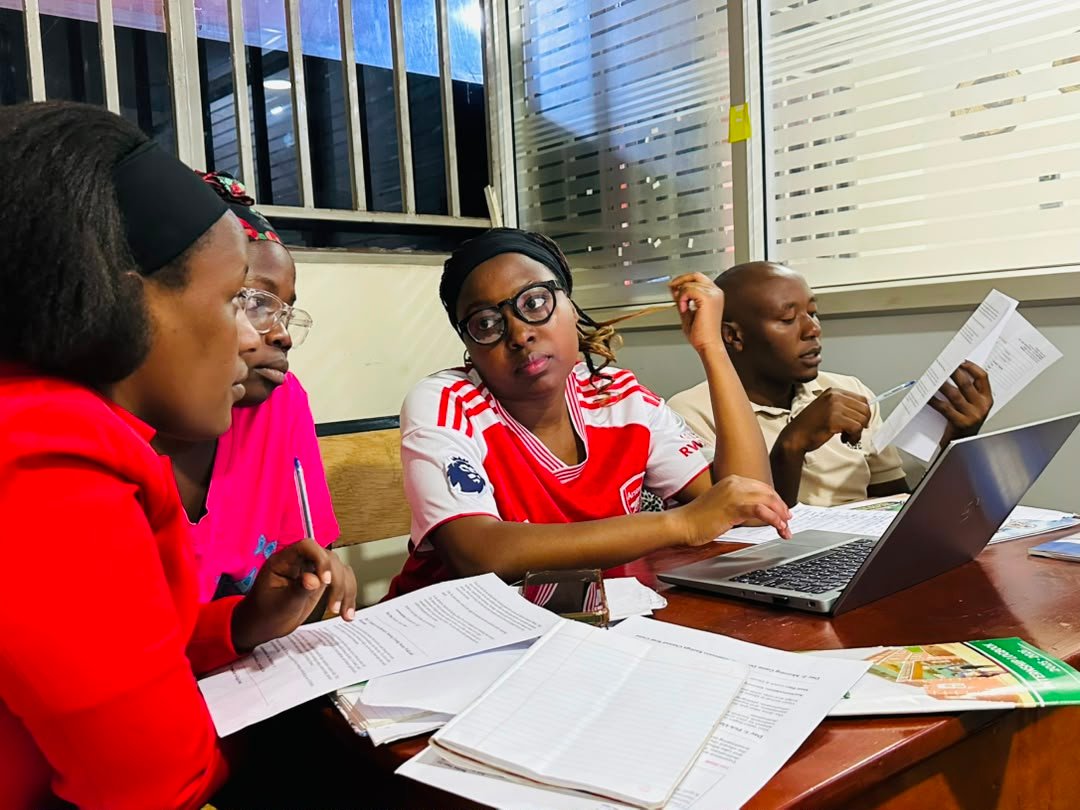
Learning how to Speak English in Uganda
[…] for Beginners programme builds this essential vocabulary step by step, and our English classes for beginners in Kampala give you a supportive environment to start speaking from day […]